Editorial Board
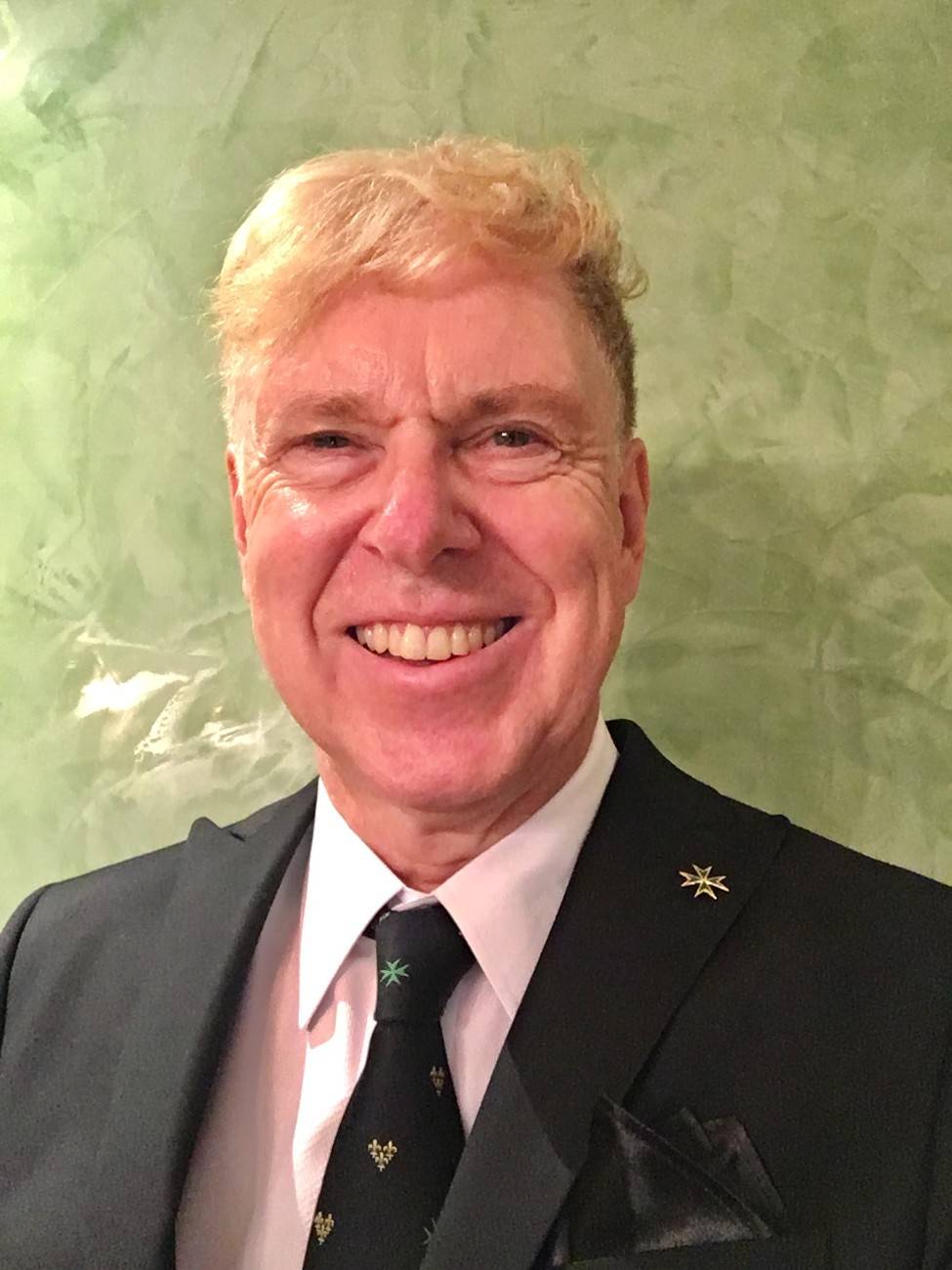
Editor in Chief
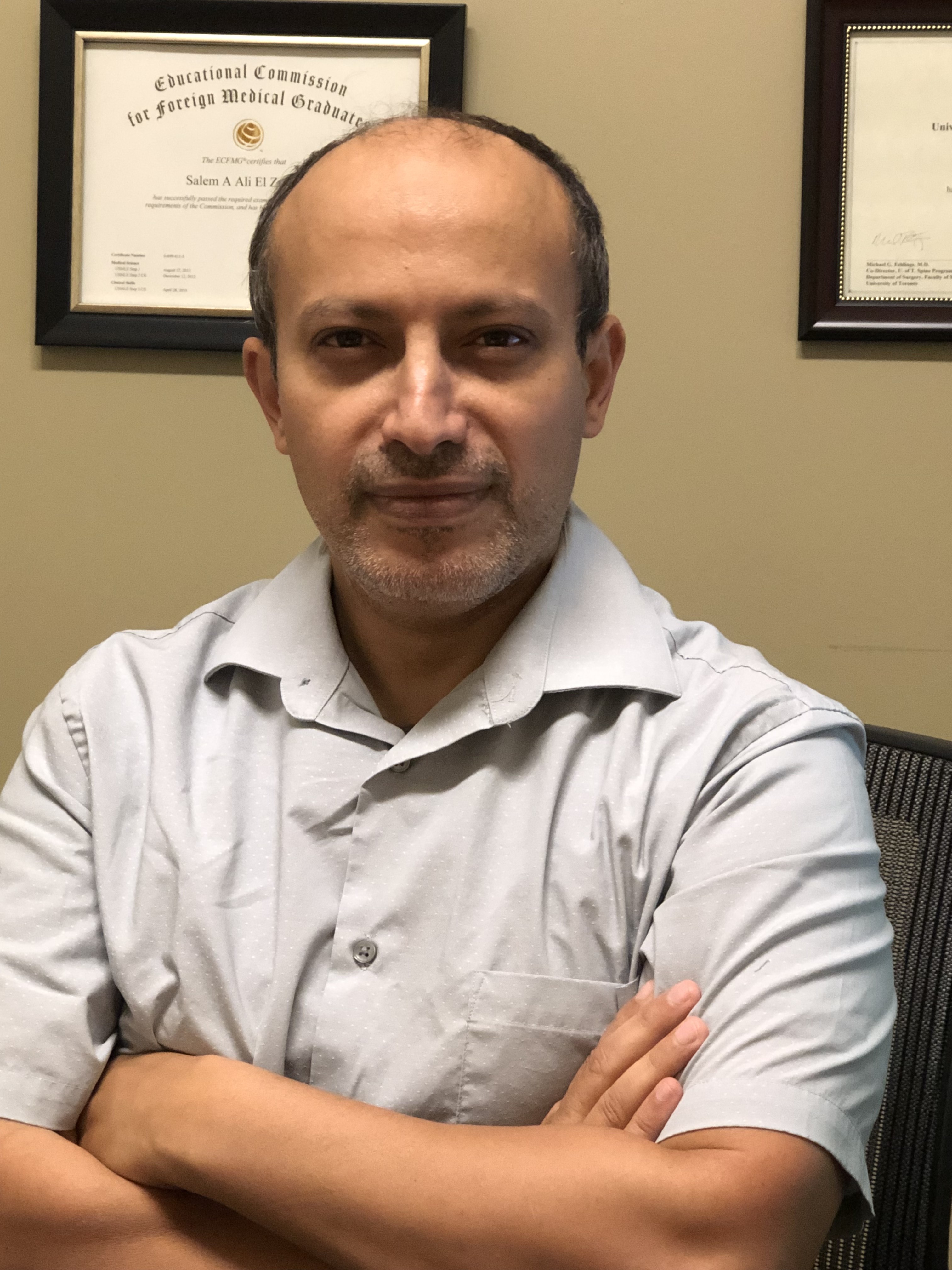
Salem El-Zuway,MD, FRCSC, FAANS, FACS
American Association of Neurological Surgery,
University of Pittsburgh School of Medicine Neurosurgeon, University of Pittsburgh Medical Center, USA.
Phone: -
Editorial Board Member's

Akmal Nabil Ahmad El-Mazny
Editorial Board Member
Cairo University, Egypt.,002 01001454576
Interests: Obstetrics and Gynecology, Infertility and assisted reproduction, Gynecologic endoscopy (laparoscopy / hysteroscopy), obstetric and Gynecologic ultrasound
Interests: Obstetrics and Gynecology, Infertility and assisted reproduction, Gynecologic endoscopy (laparoscopy / hysteroscopy), obstetric and Gynecologic ultrasound
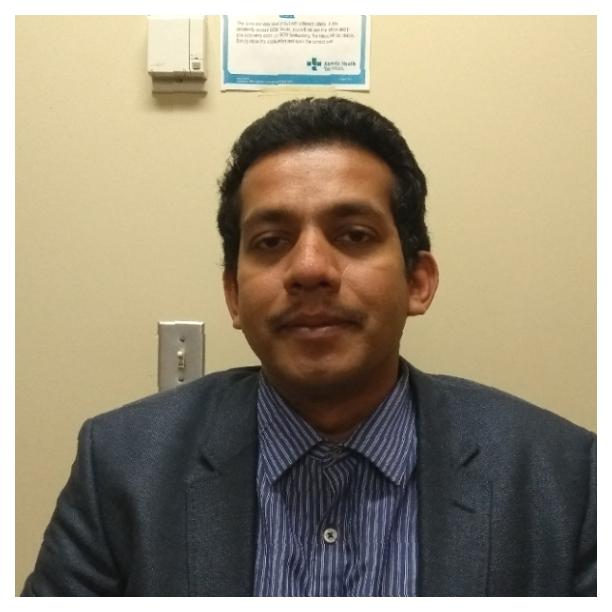
RAGHUNATH A
Editorial Board Member
University Of Calgary, Alberta, Canada,(+91) 8714811231
Interests: Neurology Expert,Neurosurgery,
Interests: Neurology Expert,Neurosurgery,
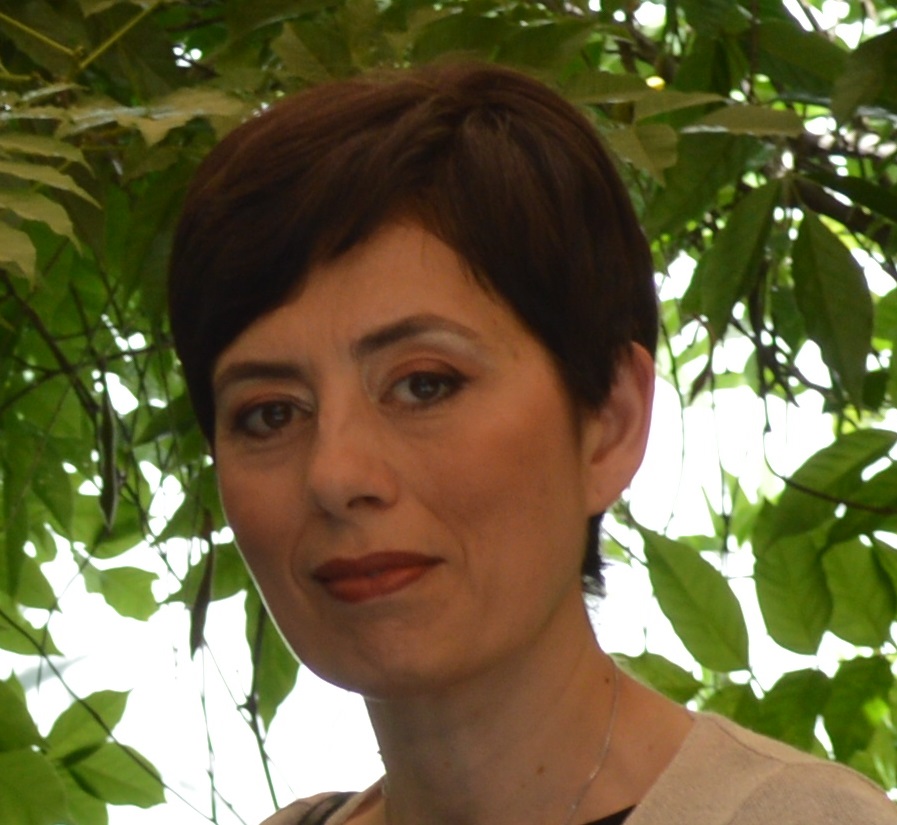
Teresa Trotta
Editorial Board Member
Department of Biomedical Sciences, University of Foggia, Polo Biomedico “Emanuele Altomare”, Via Luigi Pinto, 1, 71121 Foggia, Italy.,39 0881 588040
Interests: Parkinson’s Disease, Neurodegenerative Diseases, Neuroinflammation, Chemical Neuroscience, Experimental Medicine, Clinical Research, Cellular And Molecular Neuroscience, Disease Mechanisms, Translational Research
Interests: Parkinson’s Disease, Neurodegenerative Diseases, Neuroinflammation, Chemical Neuroscience, Experimental Medicine, Clinical Research, Cellular And Molecular Neuroscience, Disease Mechanisms, Translational Research
Gaetano Barbagallo
Editorial Board Member
institute of Neurology, Magna Graecia University, Catanzaro, Italy,+393345448381
Interests: Neuroimaging, Neurodegenerative Diseases, Neurodegeneration, Neurological Diseases, Clinical Neurology, Movement Disorders, Parkinson's Disease, Adult Neurology, Clinical Neurophysiology, Movement Neuroscience, Dystonia, Tremor, Essential Tremor, Parkinsonian Disorders
Interests: Neuroimaging, Neurodegenerative Diseases, Neurodegeneration, Neurological Diseases, Clinical Neurology, Movement Disorders, Parkinson's Disease, Adult Neurology, Clinical Neurophysiology, Movement Neuroscience, Dystonia, Tremor, Essential Tremor, Parkinsonian Disorders
Nicola Montano
Editorial Board Member
Institute of Neurosurgery Gemelli University Hospital, Catholic University, Rome, Italy,
Interests: Neuro-oncology spine surgery functional neurosurgery
Interests: Neuro-oncology spine surgery functional neurosurgery

Ujjayini Ghosh
Editorial Board Member
Laboratory of Chemical Physics NIDDK/National Institutes of Health,Bethesda, Maryland.USA,(517) 303-8020
Interests: Neurodegenerative Diseases, Alzheimer’s Disease, Structural Biology, Spectroscopy, Electron Microscopy, Engineering, Protein Synthesis and Purification, Membrane Proteins, Membrane Biophysics.
Interests: Neurodegenerative Diseases, Alzheimer’s Disease, Structural Biology, Spectroscopy, Electron Microscopy, Engineering, Protein Synthesis and Purification, Membrane Proteins, Membrane Biophysics.
Giuseppe Lanza
Editorial Board Member
Department of General Surgery and Medical-Surgical Specialties, University Hospital, Catania, Italy.,+39-095-3782448
Interests: Sleep Neurophysiology, TMS And Neuromodulation, Neuroplasticity, Neurosonology, Cerebrovascular And Neuropsychiatric Disorders, Gluten-Related Neurological Mechanisms, Restless Legs Syndrome, Sleep Movement Disorders, Brain Stimulation Techniques, Clinical Neurophysiology
Interests: Sleep Neurophysiology, TMS And Neuromodulation, Neuroplasticity, Neurosonology, Cerebrovascular And Neuropsychiatric Disorders, Gluten-Related Neurological Mechanisms, Restless Legs Syndrome, Sleep Movement Disorders, Brain Stimulation Techniques, Clinical Neurophysiology

Joe James
Editorial Board Member
Royal College of Physicians, London, United Kingdom,,
Interests: Neuroimaging, neurodegeneration, neurological diseases, infectious diseases, clinical neurology, stroke, internal medicine, intracranial hypertension.
Interests: Neuroimaging, neurodegeneration, neurological diseases, infectious diseases, clinical neurology, stroke, internal medicine, intracranial hypertension.

Geetanjali Rathore
Editorial Board Member
Director Neuromuscular Clinic Childrens Hospital and Medical Center Omaha, NE, USA,(402) 955-5372
Interests: Pediatric Neurology, Pediatric Stroke, Neuromuscular Disorders, Acute Stroke Management, Clinical Protocol Development
Interests: Pediatric Neurology, Pediatric Stroke, Neuromuscular Disorders, Acute Stroke Management, Clinical Protocol Development
Andrew Joshua Kobets
Editorial Board Member
Department of Neurological Surgery, Albert Einstein College of Medicine, USA.,00447493277927
Interests: Neurosurgery, Brain Tumors, Clinical Neuroscience, Translational Research, Neuro-Oncology, Surgical Oncology, Neuroimaging, Precision Medicine, Clinical Research, Medical Education, Tumor Biology, Minimally Invasive Neurosurgery, Neurotherapeutics
Interests: Neurosurgery, Brain Tumors, Clinical Neuroscience, Translational Research, Neuro-Oncology, Surgical Oncology, Neuroimaging, Precision Medicine, Clinical Research, Medical Education, Tumor Biology, Minimally Invasive Neurosurgery, Neurotherapeutics
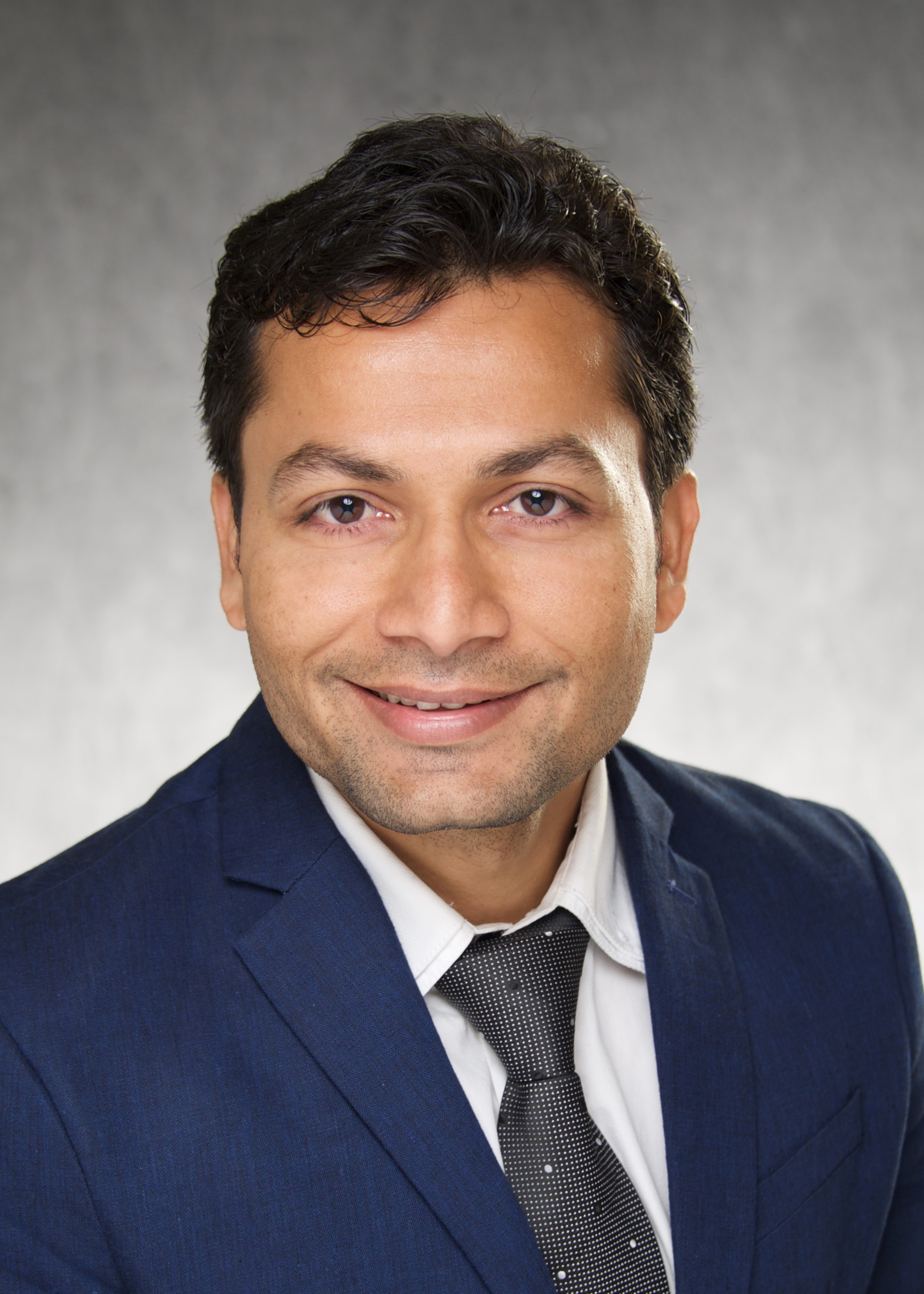
Arun Singh
Editorial Board Member
Department of Neurosurgery, University of Iowa, USA.,404-630-4811
Interests: Movement disorders, neurosurgery, neuroscience, brain disorders, clinical neuroscience
Interests: Movement disorders, neurosurgery, neuroscience, brain disorders, clinical neuroscience

Ian James Martins
Editorial Board Member
Centre of Excellence for Alzheimer’s Disease Research and Care, School of Medical and Health Sciences, Edith Cowan University, Joondalup WA 6027, Australia.,7103152779
Interests: Molecular and metabolic mechanisms of diabetes and insulin resistance, nutrition and metabolism, proteomics and lipidomics, atherosclerosis, myocardial infarction, neurodegenerative diseases (Alzheimer’s), apoptosis, translational and systems-level approaches to disease progression and diagnostics.
Interests: Molecular and metabolic mechanisms of diabetes and insulin resistance, nutrition and metabolism, proteomics and lipidomics, atherosclerosis, myocardial infarction, neurodegenerative diseases (Alzheimer’s), apoptosis, translational and systems-level approaches to disease progression and diagnostics.
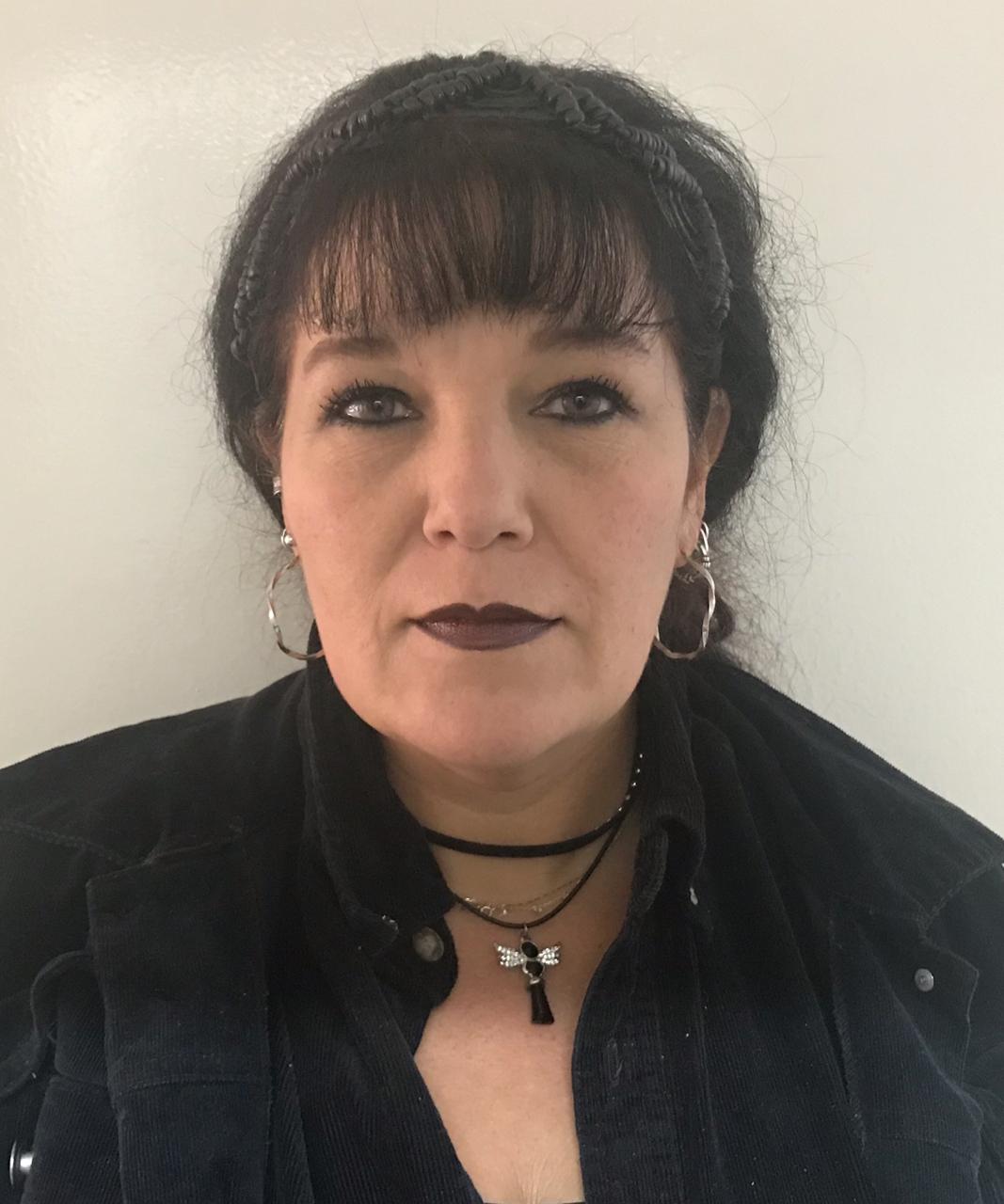
Maria Luz Gunturiz Albarracin
Editorial Board Member
Department of Public Health Research Division, National Institute of Health, Bogotá, Colombia,+5712207700
Interests: Chronic noncommunicable diseases, diabetes, hypertension, obesity, molecular biology, cellular biology, cancer, cardiovascular diseases, infectious diseases, biotechnology, nucleic acid sequencing, disease detection, disease prevention
Interests: Chronic noncommunicable diseases, diabetes, hypertension, obesity, molecular biology, cellular biology, cancer, cardiovascular diseases, infectious diseases, biotechnology, nucleic acid sequencing, disease detection, disease prevention
Alain L Fymat
Editorial Board Member
International Institute of Medicine and Science, Rancho Mirage, California, USA.,00
Interests: Neurodegenerative Diseases, Alzheimer’s Disease, Parkinson’s Disease, Glioblastoma, Oncology, Epigenetics, Nanomedicine, Translational Medicine, Critical Care Medicine, Radiation Medicine
Interests: Neurodegenerative Diseases, Alzheimer’s Disease, Parkinson’s Disease, Glioblastoma, Oncology, Epigenetics, Nanomedicine, Translational Medicine, Critical Care Medicine, Radiation Medicine
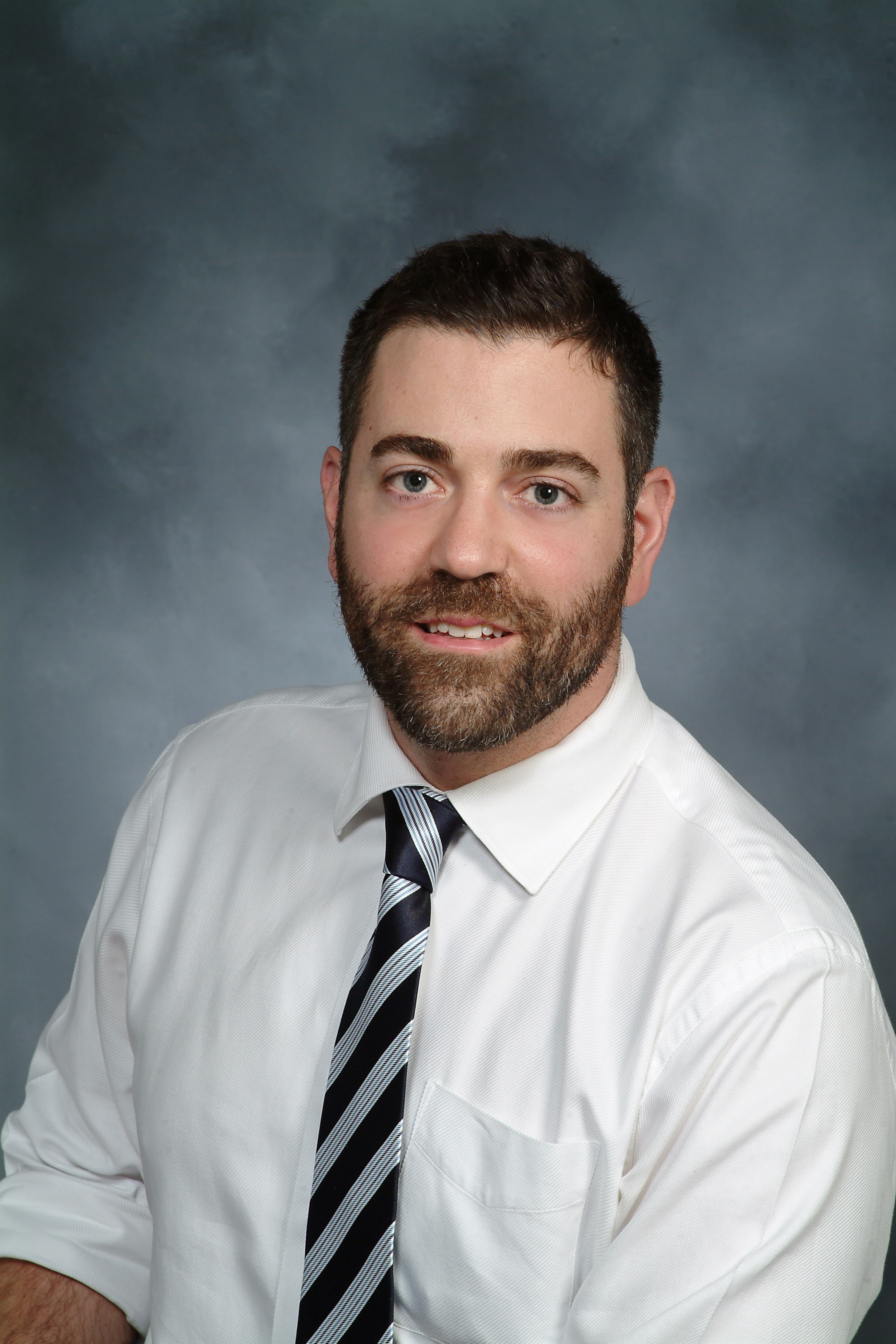
Daniel A Barone
Editorial Board Member
Department of Neurology, Weill Cornell Medical College, NewYork-Presbyterian Weill Cornell Medical Center, New York, NY, USA,646-962-0455
Interests: Neurology, Sleep Medicine, Psychiatry, Sleep Disorders, Insomnia, Narcolepsy, Restless Legs Syndrome
Interests: Neurology, Sleep Medicine, Psychiatry, Sleep Disorders, Insomnia, Narcolepsy, Restless Legs Syndrome
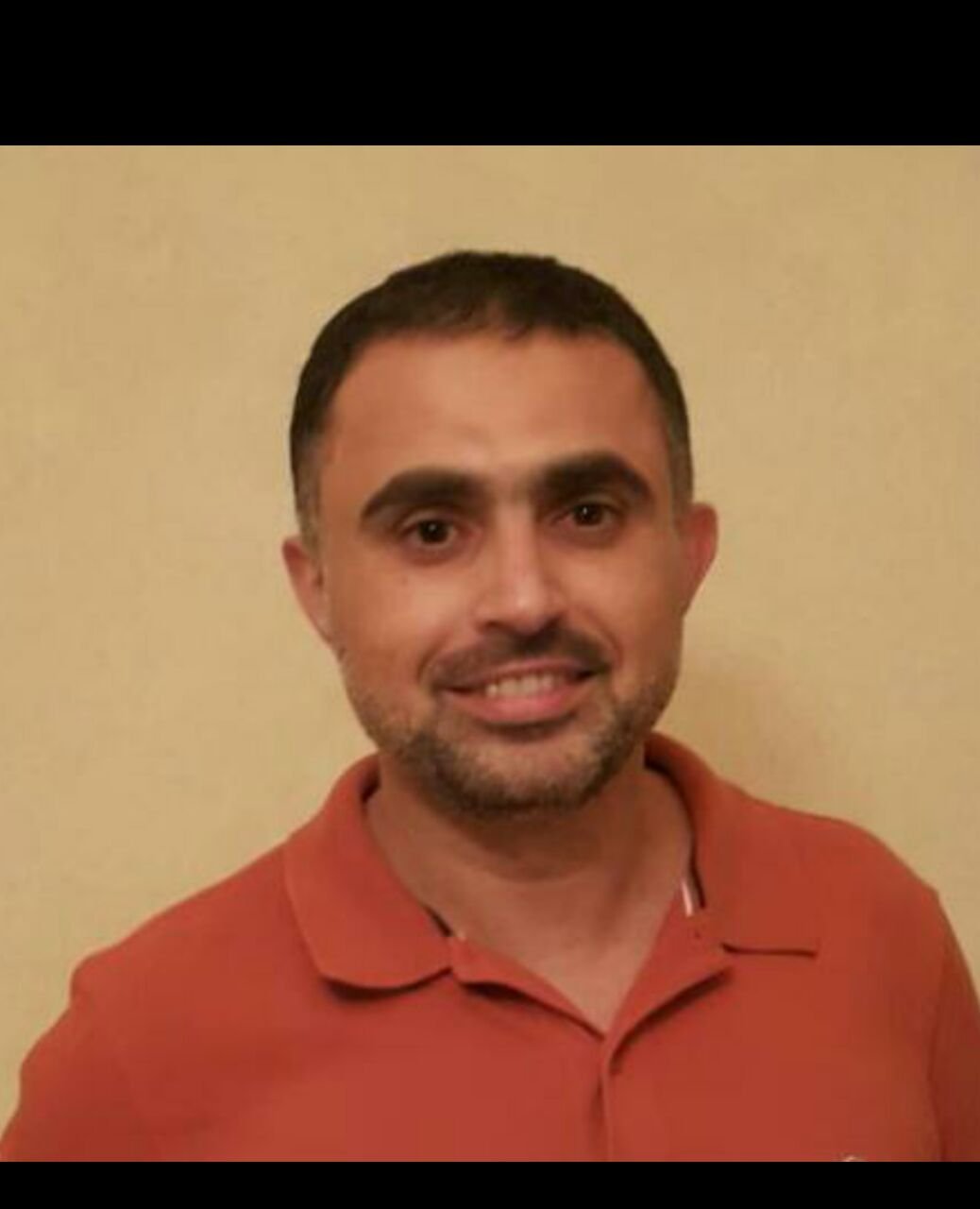
Ahmed Al Qteishat
Editorial Board Member
Department of Biological Sciences and Chemistry, Biology Section, College of Arts and Sciences, Office 32-25, Birkat Al Mouz, Nizwa 611, Sultanate of Oman,(+962) 791874625
Interests: Molecular Neurobiology, Neuroscience, Brain Research, Experimental Neurology, Cellular Neuroscience, Neurodegenerative Diseases, Neurophysiology, Neurogenetics Brain Disorders, Translational Neuroscience, Neural Mechanisms, Cognitive Neuroscience
Interests: Molecular Neurobiology, Neuroscience, Brain Research, Experimental Neurology, Cellular Neuroscience, Neurodegenerative Diseases, Neurophysiology, Neurogenetics Brain Disorders, Translational Neuroscience, Neural Mechanisms, Cognitive Neuroscience

Abdolrasoul Aleezaadeh
Editorial Board Member
Department of Cognitive Neuropsychology, Green Lake University, USA.,00982144251752
Interests: Cognitive neuroscience, cognitive science, neuroimaging, clinical neuropsychology, brain imaging, integrative medicine, traditional and homeopathic medicine, mind–brain interactions
Interests: Cognitive neuroscience, cognitive science, neuroimaging, clinical neuropsychology, brain imaging, integrative medicine, traditional and homeopathic medicine, mind–brain interactions
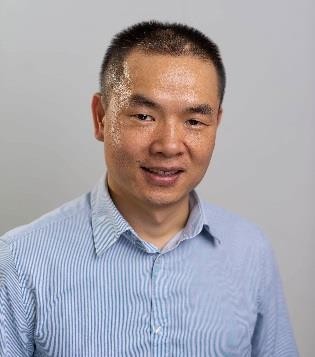
Jinwei Zhang
Editorial Board Member
University of Exeter Medical School, UK.,+44 (0)139272 3828
Interests: Biochemistry, Nature Medicine, Cell Metabolism, Neuron, Nature Communications, EMBO molecular medicine, Science Signaling, Human Molecular Genetics, Viral RNA, Gene Regulation, Chloride Homeostasis, Neurodegeneration, Neurological Prediction, Fisheries & Ecology
Interests: Biochemistry, Nature Medicine, Cell Metabolism, Neuron, Nature Communications, EMBO molecular medicine, Science Signaling, Human Molecular Genetics, Viral RNA, Gene Regulation, Chloride Homeostasis, Neurodegeneration, Neurological Prediction, Fisheries & Ecology
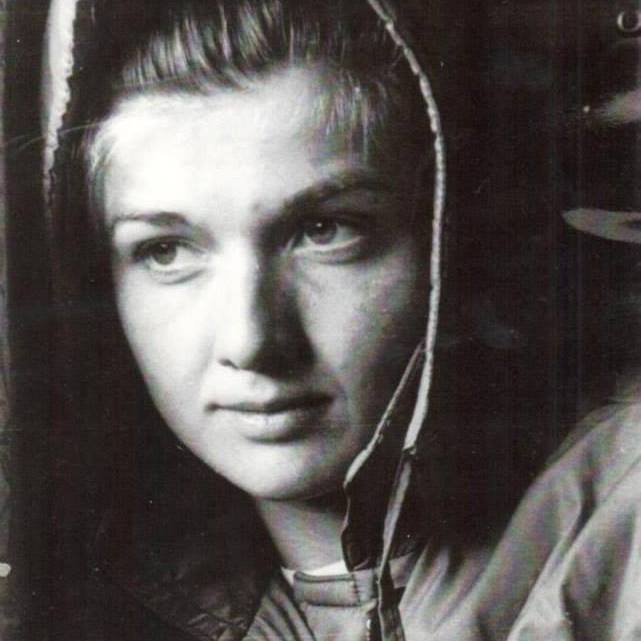
Mirela Olympia Fagarasan Palmer
Editorial Board Member
University of Southern California Los Angeles, California, USA,(619) 204-3342
Interests: Dr. Mirela Olympia Fagarasan Palmer’s research centers on neuropharmacology and neuroimmunology, exploring the biological mechanisms underlying neuropsychiatric disorders. Her work integrates genetic, neurochemical, and neuroendocrine approaches to study neuro-immune interactions and develop novel therapeutic strategies.
Interests: Dr. Mirela Olympia Fagarasan Palmer’s research centers on neuropharmacology and neuroimmunology, exploring the biological mechanisms underlying neuropsychiatric disorders. Her work integrates genetic, neurochemical, and neuroendocrine approaches to study neuro-immune interactions and develop novel therapeutic strategies.
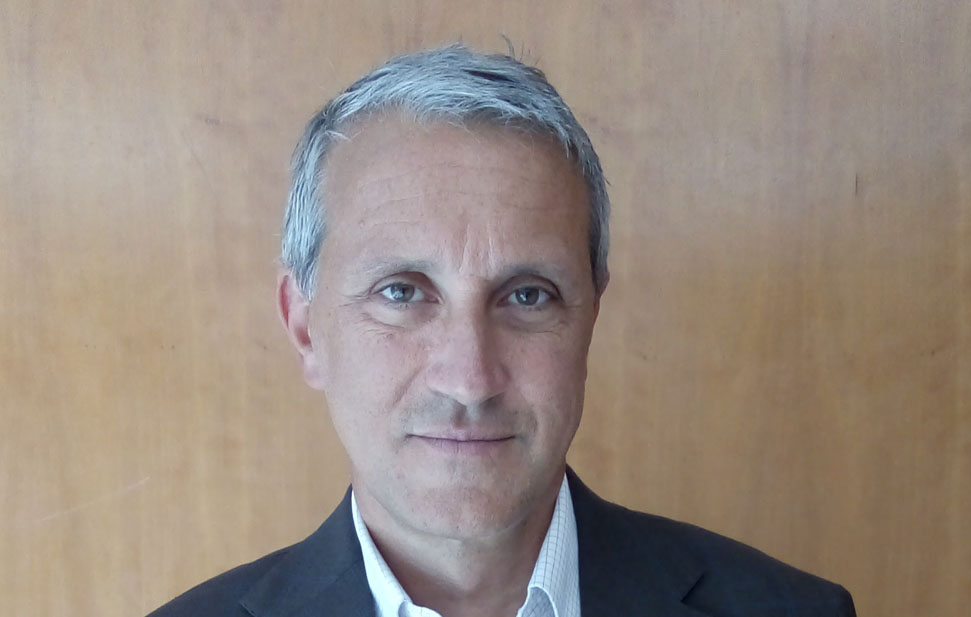
Caricato Anselmo
Editorial Board Member
Department of Anaesthesiology and Intensive Care, Catholic Medical Center, Italy.,339-3974355
Interests: Neuroanesthesia, neurocritical care, perioperative management, intensive care medicine.
Interests: Neuroanesthesia, neurocritical care, perioperative management, intensive care medicine.
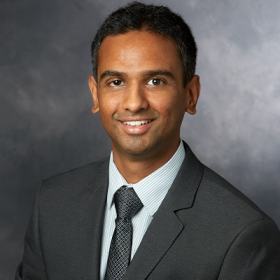
Prashanth Krishnamohan
Editorial Board Member
Neurosurgery, Stanford University,+1-925-263-5588
Interests: Neurology and Neurological Sciences,Neurosurgery
Interests: Neurology and Neurological Sciences,Neurosurgery

Kalliopi Megari
Editorial Board Member
Department of Clinical Psychology, Aristotle University of Thessaloniki, University Campus, 54124 Thessaloniki, Greece.,00
Interests: Health And Clinical Neuropsychology, Cognitive Psychotherapy, Person-Centered Therapy, Counseling Psychology, Disability Support, Special Needs Counseling, Clinical Assessment, Mental Health Interventions
Interests: Health And Clinical Neuropsychology, Cognitive Psychotherapy, Person-Centered Therapy, Counseling Psychology, Disability Support, Special Needs Counseling, Clinical Assessment, Mental Health Interventions
Kamesh R Ayasolla
Editorial Board Member
Feinstein Institute for Medical Research, Northwell Health, Port Washington, NY 11050, USA,0091-40-3020712
Interests: Neurobiology, Nephrology, Neonatology & Developmental Disorders, Neurodegeneration, Signal Transduction, Epigenetics, Hypoxia & Oxidative Stress, Preeclampsia, Cancer Biology.
Interests: Neurobiology, Nephrology, Neonatology & Developmental Disorders, Neurodegeneration, Signal Transduction, Epigenetics, Hypoxia & Oxidative Stress, Preeclampsia, Cancer Biology.
Morad Peyravi
Editorial Board Member
Consultant Neurosurgeon, Alexianer Hospital Hedwigshöhe, Academic Teaching Hospital of Charité – Universitätsmedizin Berlin, Höhensteig , 112526 Berlin, Germany.,+49 (0) 176 244 94 5
Interests: Dr. Peyravi’s research interests focus on neurosurgery and clinical neurology, including the management of brain and spinal disorders. He is particularly interested in neurotrauma, tumor surgery, and advanced surgical techniques for improving neurological outcomes.
Interests: Dr. Peyravi’s research interests focus on neurosurgery and clinical neurology, including the management of brain and spinal disorders. He is particularly interested in neurotrauma, tumor surgery, and advanced surgical techniques for improving neurological outcomes.
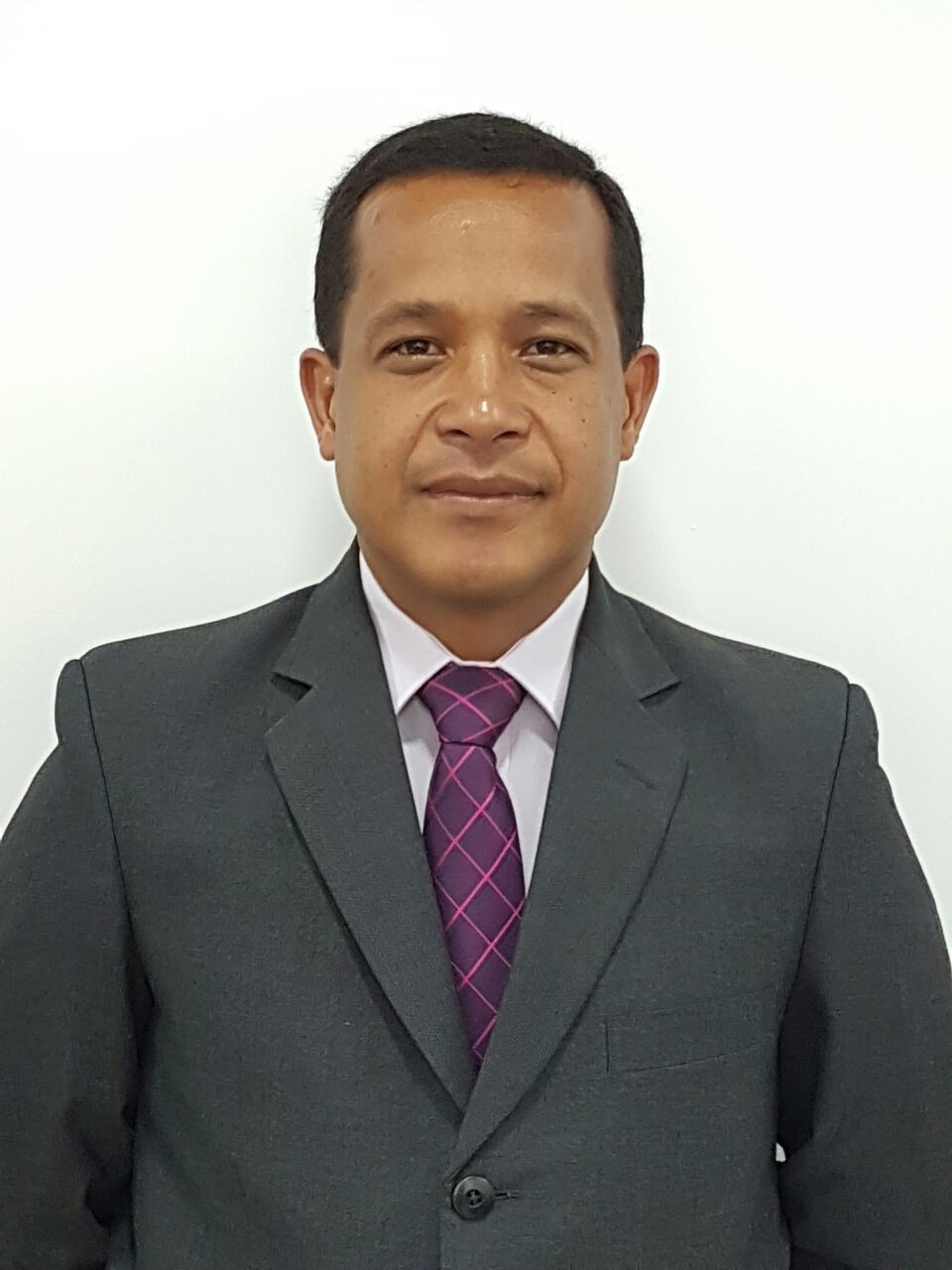
Carlos Valencia Calderon
Editorial Board Member
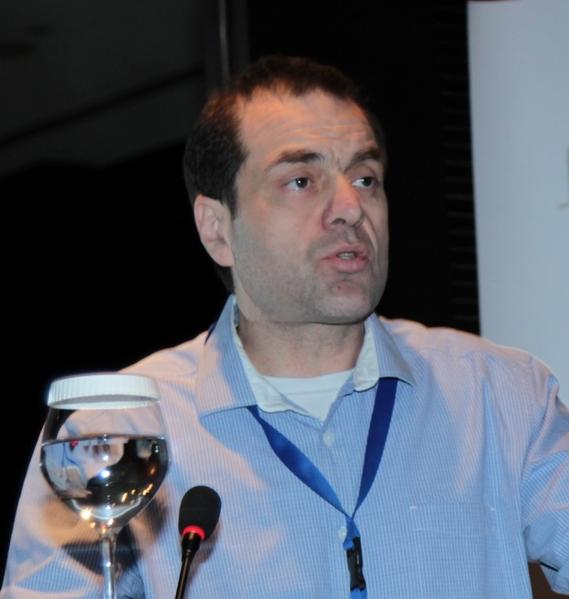
Antonis T Theofilidis
Editorial Board Member
Department Psychiatric Clinic of the University Hospital AHEPA of Thessaloniki, Greece.,+30 6978 802 810
Interests: Cognitive neuropsychology, neuropsychological assessment, rehabilitation, and brain–behavior relationships in psychiatric populations.
Interests: Cognitive neuropsychology, neuropsychological assessment, rehabilitation, and brain–behavior relationships in psychiatric populations.
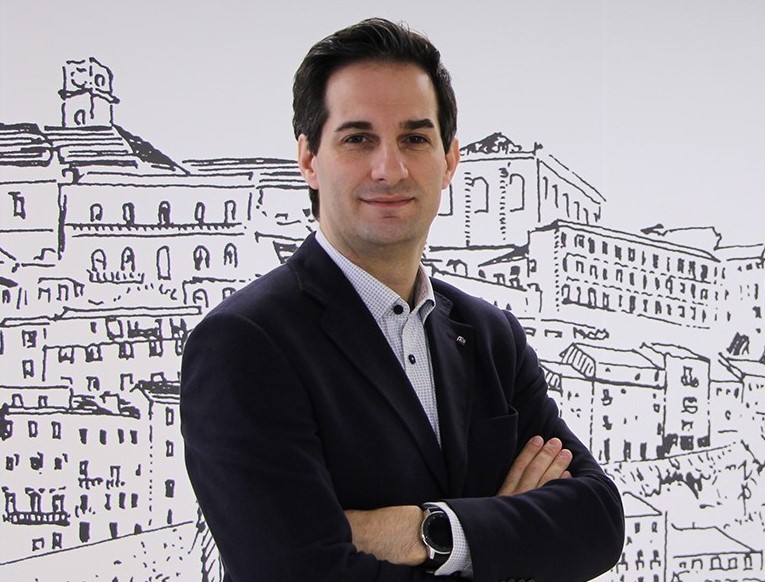
Daniel Filipe Borges
Editorial Board Member
Neurophysiology Department of Clinical Physiology, Coimbra Health School, Portugal,(+351) 239 802 430
Interests: Neurophysiology, Epilepsy, EEG, Sleep Medicine, Stroke, Cortical Functional Connectivity
Interests: Neurophysiology, Epilepsy, EEG, Sleep Medicine, Stroke, Cortical Functional Connectivity
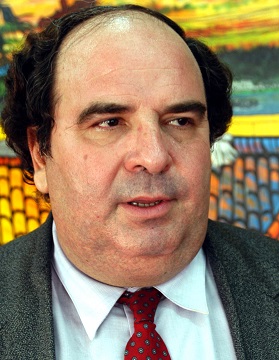
Calixto Machado Curbelo
Editorial Board Member
Department of Clinical Neurophysiology, Institute of Neurology and Neurosurgery (INN), Calle 29 y D, Vedado, Plaza de la Revolución, Havana 10400, Cuba.,+535-295 6141
Interests: Brain Imaging, Cognitive Neuropsychology, Cognitive Neuroscience, Neuroimaging, Neurological Diseases, Neuroscience, Electrophysiology, Neurophysiology, Art and Science, Autism Spectrum Disorders.
Interests: Brain Imaging, Cognitive Neuropsychology, Cognitive Neuroscience, Neuroimaging, Neurological Diseases, Neuroscience, Electrophysiology, Neurophysiology, Art and Science, Autism Spectrum Disorders.
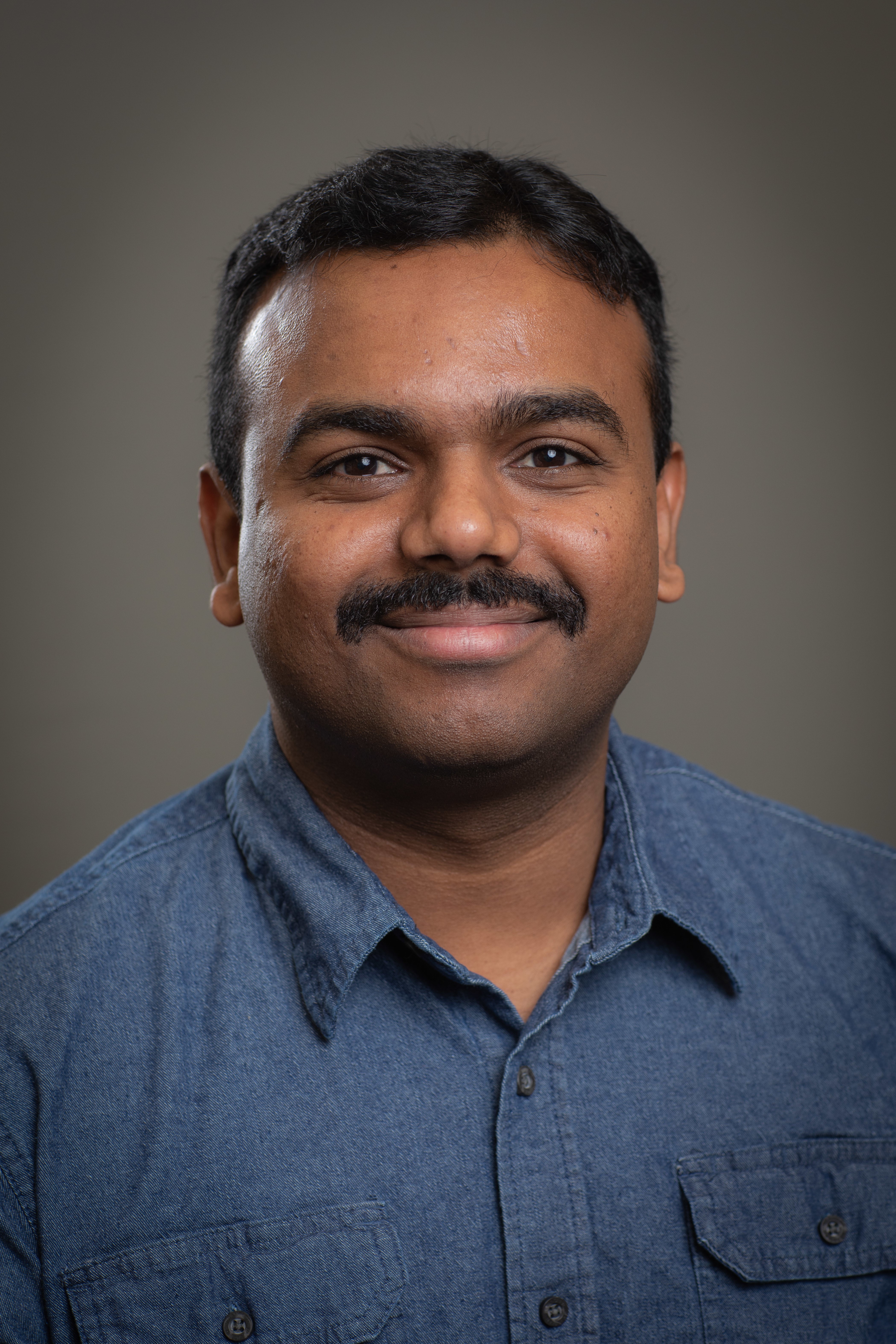
Kalyanasundar Balasubramanian
Editorial Board Member
Division of Biosciences,College of Dentistry, The Ohio State University, Columbus, Ohio-United States of America.,(+1) 614-292-2250
Interests: Behavioral Neuroscience, Electrophysiology, Chemosensory System (Taste & Olfaction), Neuropharmacology, Obesity & Taste Dysfunction
Interests: Behavioral Neuroscience, Electrophysiology, Chemosensory System (Taste & Olfaction), Neuropharmacology, Obesity & Taste Dysfunction
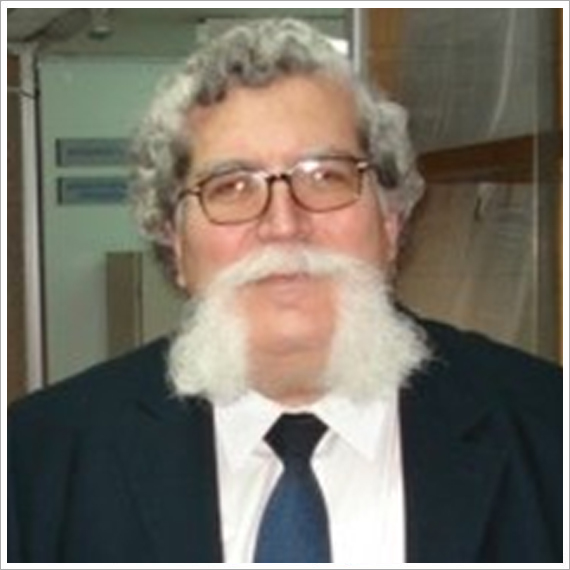
Stavros J Baloyannis
Editorial Board Member
Aristotelian University Thessaloniki, Greece.,
Interests: Blood-Brain Barrier, Dementias, Demyelinating Diseases, Alzheimer’s Disease, Mitochondria, Synaptogenesis, Neuronal Apoptosis, Dendritic Pathology, Golgi Apparatus, Neuroimmunology, Neuroethics, Neurolinguistics, Philosophy Of Neuroscience
Interests: Blood-Brain Barrier, Dementias, Demyelinating Diseases, Alzheimer’s Disease, Mitochondria, Synaptogenesis, Neuronal Apoptosis, Dendritic Pathology, Golgi Apparatus, Neuroimmunology, Neuroethics, Neurolinguistics, Philosophy Of Neuroscience
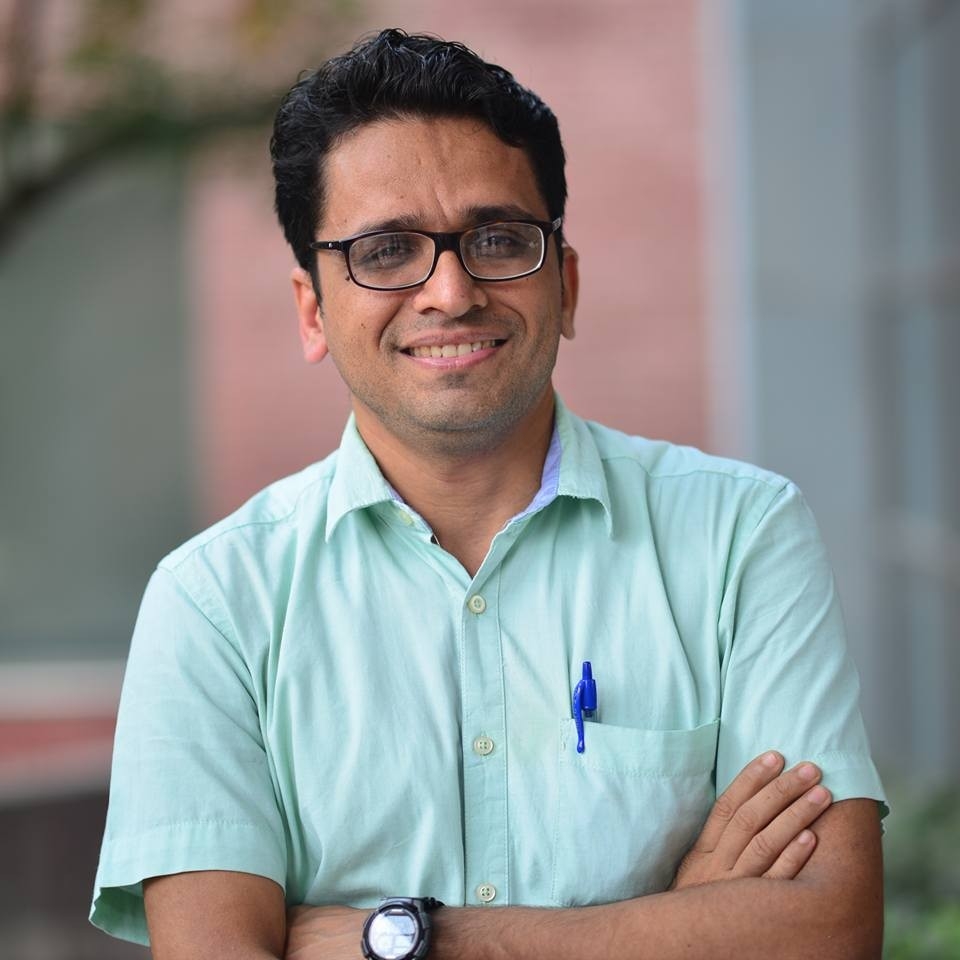
Anurag Sharma
Editorial Board Member
Amity University Haryana Amity Education Valley Pachgaon, Manesar Gurugram, Haryana – 122413 India.,9910939906
Interests: Neurodegenerative Diseases, Protein Conformation, Protein Aggregation, Kinetics, Drug Protein Interactions
Interests: Neurodegenerative Diseases, Protein Conformation, Protein Aggregation, Kinetics, Drug Protein Interactions
Gabriele CICCIO
Editorial Board Member
Head, Interventional Neuroradiology, General Hospital Bastia - France.,+33781344969
Interests: Stents, angiography, carotid arteries, aneurysms, neurological diseases, endovascular surgery, vascular diseases, arteries, vascular surgery, aortic diseases.
Interests: Stents, angiography, carotid arteries, aneurysms, neurological diseases, endovascular surgery, vascular diseases, arteries, vascular surgery, aortic diseases.
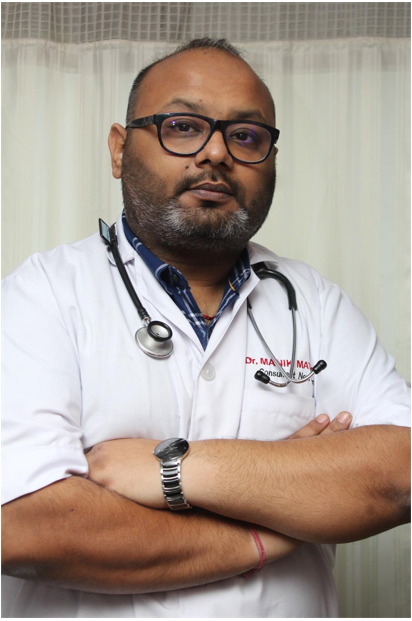
Manik Mathur
Editorial Board Member
Consultant Neurologist (Stroke & MS) at GNRC Hospitals and Member of European Academy of Neurology and American Academy of Neurology, USA.,+447812388006
Interests: Acute Stroke care, Acute care of older people, Movement Disorders, Frailty, Rehabilitation, Parkinson’s Disease, Alzheimer’s, memory loss, Epilepsy.
Interests: Acute Stroke care, Acute care of older people, Movement Disorders, Frailty, Rehabilitation, Parkinson’s Disease, Alzheimer’s, memory loss, Epilepsy.
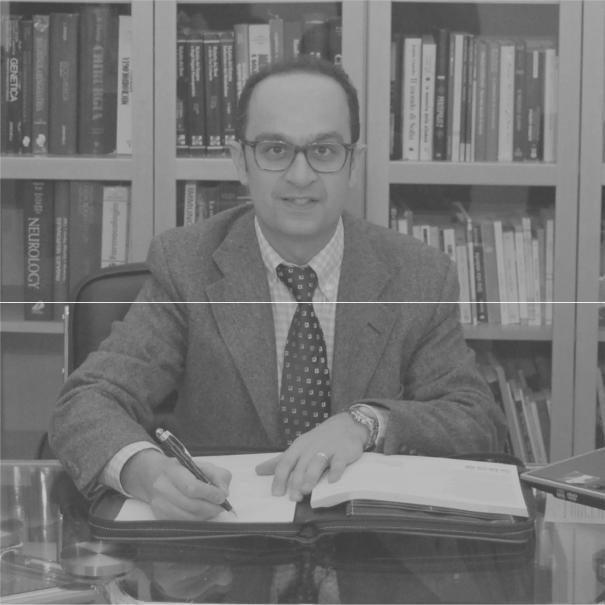
Francesco Girolamo
Editorial Board Member
Department of Basic Medical Sciences, Neurosciences and Sense Organs, University of Bari School of Medicine, Bari, Italy,
Interests: Friedreich Ataxia, Recessive and Dominant Ataxias, Amyotrophic Lateral Sclerosis, Multiple Sclerosis, Migraine, Fabry Disease, Neuropsychology in Neurological Disorders, Neuroimaging, Neurogenetics, Blood Brain Barrier, Glial Biology, Autophagy, Cerebral Cortex and Cerebellum Studies
Interests: Friedreich Ataxia, Recessive and Dominant Ataxias, Amyotrophic Lateral Sclerosis, Multiple Sclerosis, Migraine, Fabry Disease, Neuropsychology in Neurological Disorders, Neuroimaging, Neurogenetics, Blood Brain Barrier, Glial Biology, Autophagy, Cerebral Cortex and Cerebellum Studies
Pasquale Parisi
Editorial Board Member
NESMOS Department, Faculty of Medicine & Psychology Sapienza University, Rome, Italy,330556796
Interests: Pediatrics, Neonatology, Neurology, Neuropediatrics, Child Health, Developmental Neurology, Pediatric Disorders, Neonatal Care, Neurodevelopment, Pediatric Medicine, Clinical Neurology, Pediatric Research, Infant Health, Brain Development.
Interests: Pediatrics, Neonatology, Neurology, Neuropediatrics, Child Health, Developmental Neurology, Pediatric Disorders, Neonatal Care, Neurodevelopment, Pediatric Medicine, Clinical Neurology, Pediatric Research, Infant Health, Brain Development.
Cristiano de Lima
Editorial Board Member
Department of Psychobiology, Universidade Federal de São Paulo (UNIFESP), Rua Napoleão de Barros, 925, 04024-002 São Paulo, SP, Brazil.,(011) 21490155
Interests: Neuroscience, Neurosurgery, Clinical Research, Translational Medicine, Medical Education, Public Health, Neurobiology, Brain Health, Cognitive Neuroscience, Neurodegenerative Diseases, Behavioral Neuroscience, Neurorehabilitation
Interests: Neuroscience, Neurosurgery, Clinical Research, Translational Medicine, Medical Education, Public Health, Neurobiology, Brain Health, Cognitive Neuroscience, Neurodegenerative Diseases, Behavioral Neuroscience, Neurorehabilitation
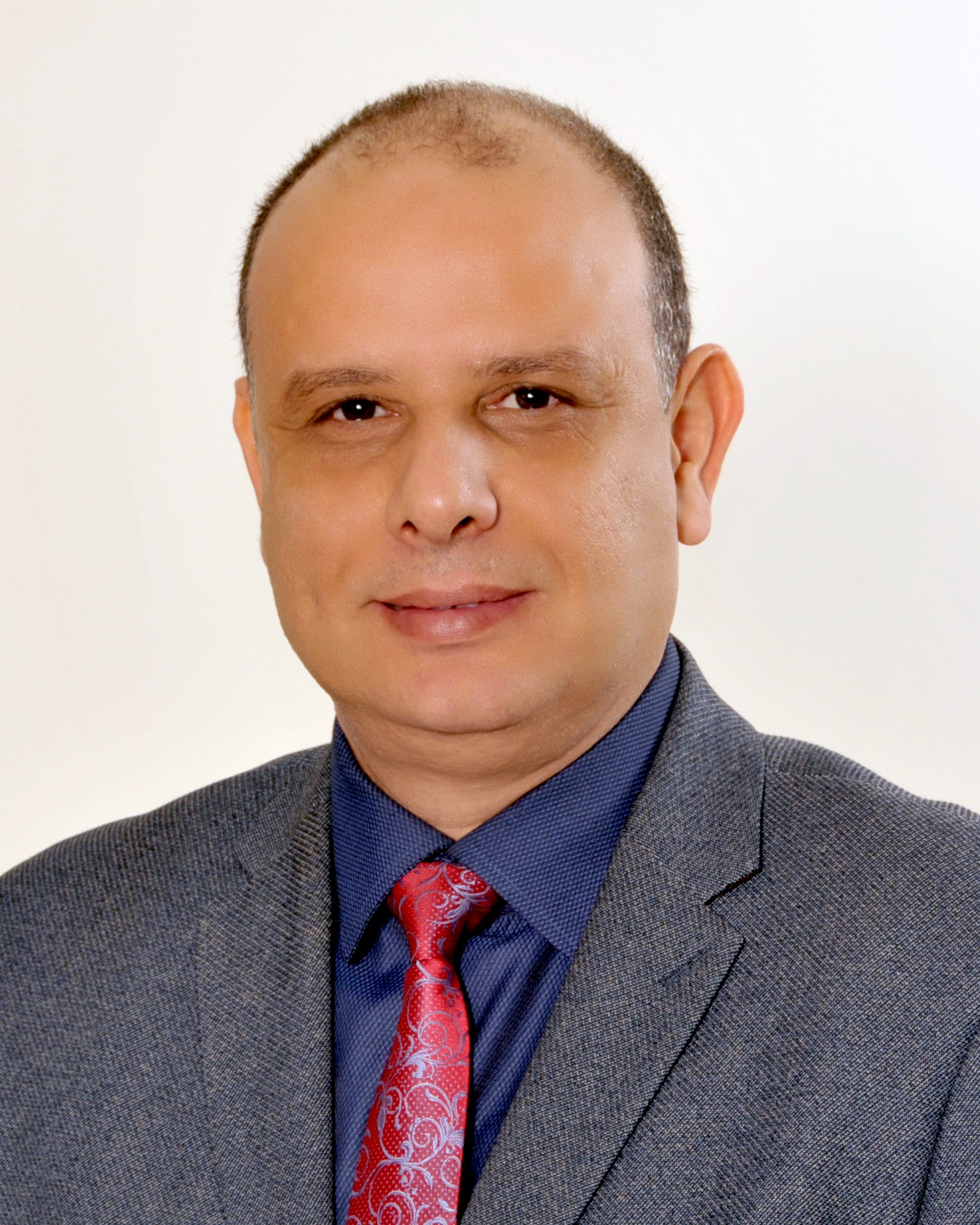
Bassem Shaban Sadek
Editorial Board Member
Department of Pharmacology and Therapeutics, College of Medicine and Health Sciences, United Arab Emirates University (UAEU), Al Ain, United Arab Emirates.,00971-5053-37416
Interests: Preclinical Drug Development, Neuropharmacology, Behavioral Pharmacology, Neuroscience, Neurodegenerative Disorders, Medicinal Chemistry
Interests: Preclinical Drug Development, Neuropharmacology, Behavioral Pharmacology, Neuroscience, Neurodegenerative Disorders, Medicinal Chemistry

Raffaele Pilla
Editorial Board Member
Fatebenefratelli External Pharmacy, Italy,+39-347 31 42 650
Interests: Neurology Epilepsy Brain cancer
Interests: Neurology Epilepsy Brain cancer
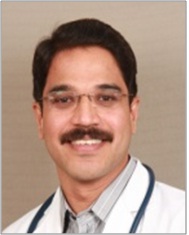
Natuva Sai Sampath Kumar
Editorial Board Member
Narayana Medical College and Hospital, Nellore, Andhra Pradesh, INDIA.,9849959527
Interests:
Interests:
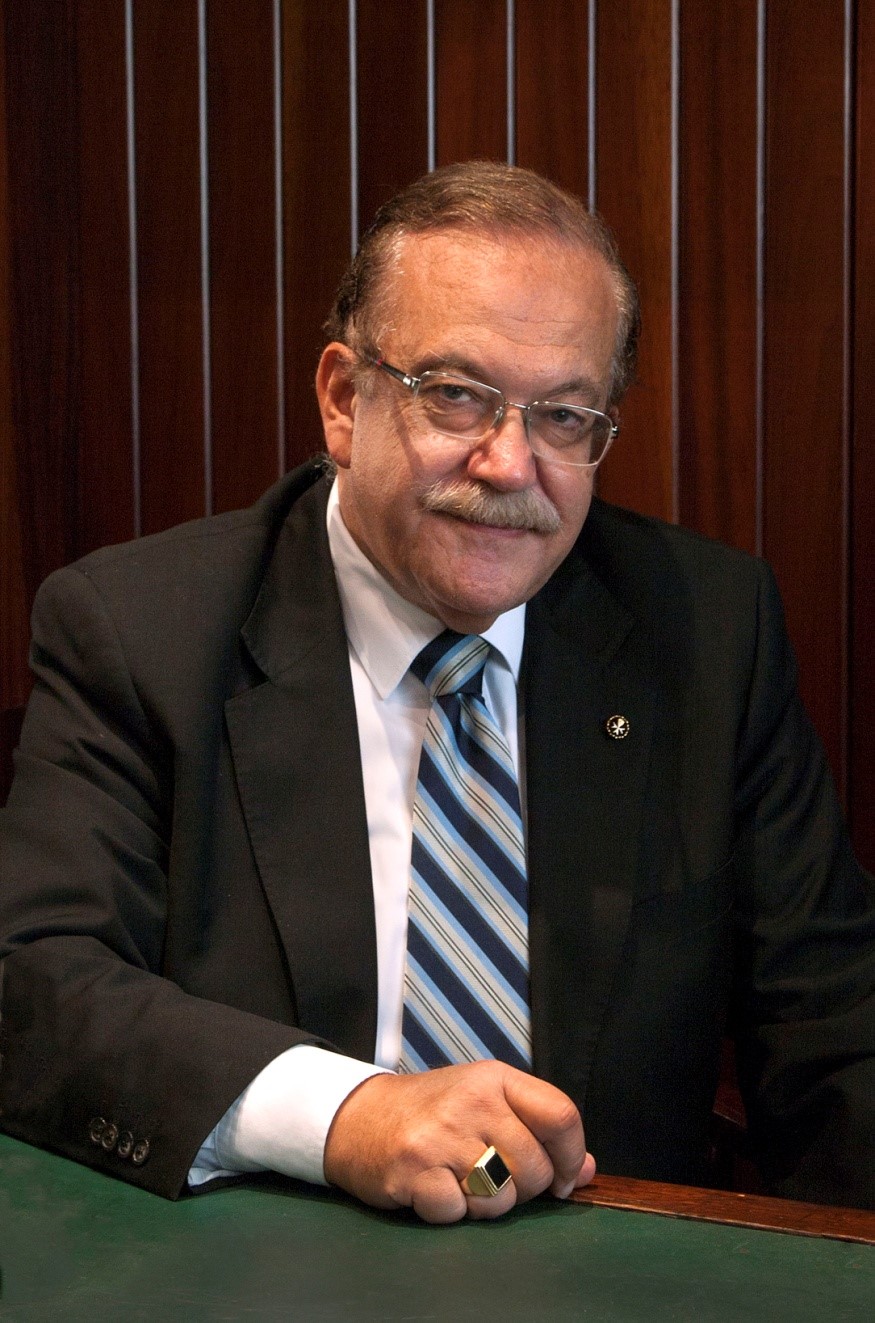
George Gregory Buttigieg
Editorial Board Member
The Glen, Russett Street, Kappara, San Ġwann, SGN 4432, Malta.,+356 2340 1102
Interests: Obstetrics And Gynaecology, Obstetric Clinical Outcomes, Fetal Monitoring Efficacy, Medico-Legal Aspects Of Medicine, Clinical Governance, Women’s Health, Post-Operative Pain, Surgical Outcomes, Maternal And Fetal Care
Interests: Obstetrics And Gynaecology, Obstetric Clinical Outcomes, Fetal Monitoring Efficacy, Medico-Legal Aspects Of Medicine, Clinical Governance, Women’s Health, Post-Operative Pain, Surgical Outcomes, Maternal And Fetal Care
DI NATALE CONCETTA
Editorial Board Member
Department of Culture and Society
University of Palermo
Viale delle Scienze
Via Università No. 48
80055 Portici (Napoli)
Italy,+390810282151 , +393
Interests: Neurodegenerative diseases amyotrophic lateral sclerosis Parkinson's Alzheimer's Huntington's
Interests: Neurodegenerative diseases amyotrophic lateral sclerosis Parkinson's Alzheimer's Huntington's
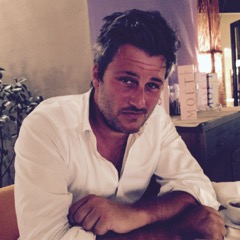
Davide Nasi
Editorial Board Member
Neurosurgeon, Department of Neurosurgery, Marche Polytechnic University, Umberto I General Hospital, Ancona, Italy.,+39 340 3887309
Interests: Brain Injury, Spine Surgery, Microneurosurgery, Endoscopic Neurosurgery, Neuronavigation, Decompressive Craniectomy, Cranio Cervical Junction Surgery, Spinal Trauma and Infections
Interests: Brain Injury, Spine Surgery, Microneurosurgery, Endoscopic Neurosurgery, Neuronavigation, Decompressive Craniectomy, Cranio Cervical Junction Surgery, Spinal Trauma and Infections
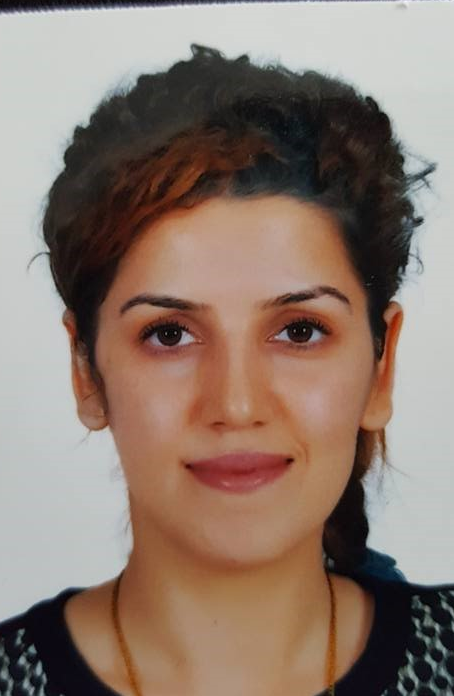
Esra Dogru Huzmeli
Editorial Board Member
Mustafa Kemal University School of Physical Therapy and Rehabilitation, Neurologic Rehabilitation Department,+903262455516
Interests: Rehabilitation, Physical Rehabilitation, Musculoskeletal Disorders, Neurorehabilitation, Posture Postural Balance, Stroke Rehabilitation, Physical Examination, Manipulation, Clinical Examination
Interests: Rehabilitation, Physical Rehabilitation, Musculoskeletal Disorders, Neurorehabilitation, Posture Postural Balance, Stroke Rehabilitation, Physical Examination, Manipulation, Clinical Examination
Trevor Cornelius Stuart Archer
Editorial Board Member
Department of Psychology, University of Gothenburg, Gothenburg, Sweden.,+46 738 239423
Interests: Affective status, psychological stress, cognition, personality, neuroimmune mechanisms, exercise and brain function, emotional regulation, mind–body interactions
Interests: Affective status, psychological stress, cognition, personality, neuroimmune mechanisms, exercise and brain function, emotional regulation, mind–body interactions
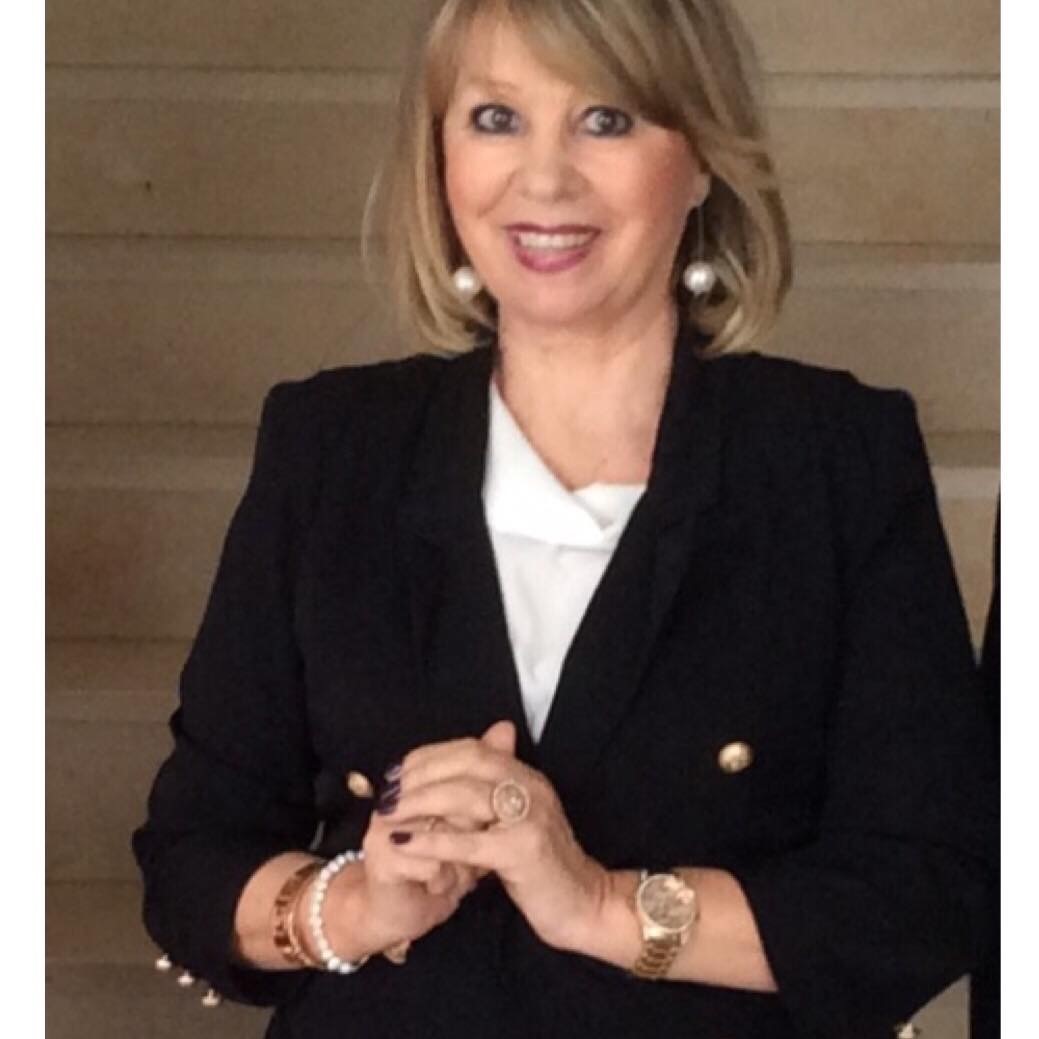
Filomena Ermida da Ponte
Editorial Board Member
Faculty of Human Sciences FFCS, Universidade Católica Portuguesa, Portugal,0@0
Interests: Educational Psychology, Special Education, Giftedness, Teacher Training, Learning and Development
Interests: Educational Psychology, Special Education, Giftedness, Teacher Training, Learning and Development
Giulio Perrotta
Editorial Board Member
Department of Criminal and Investigative Psychology Studies, University of Federiciana, Cosenza, Italy.,(+39) 349 21 08 872
Interests: Sleep–Wake Disorders, Neural Correlates Of Psychopathology, Obsessive–Compulsive Disorder, Post-Traumatic Stress Disorder Neurobiological Mechanisms, Strategic Therapeutic Approaches, Clinical Neuroscience, Behavioral Assessment, Translational Research
Interests: Sleep–Wake Disorders, Neural Correlates Of Psychopathology, Obsessive–Compulsive Disorder, Post-Traumatic Stress Disorder Neurobiological Mechanisms, Strategic Therapeutic Approaches, Clinical Neuroscience, Behavioral Assessment, Translational Research
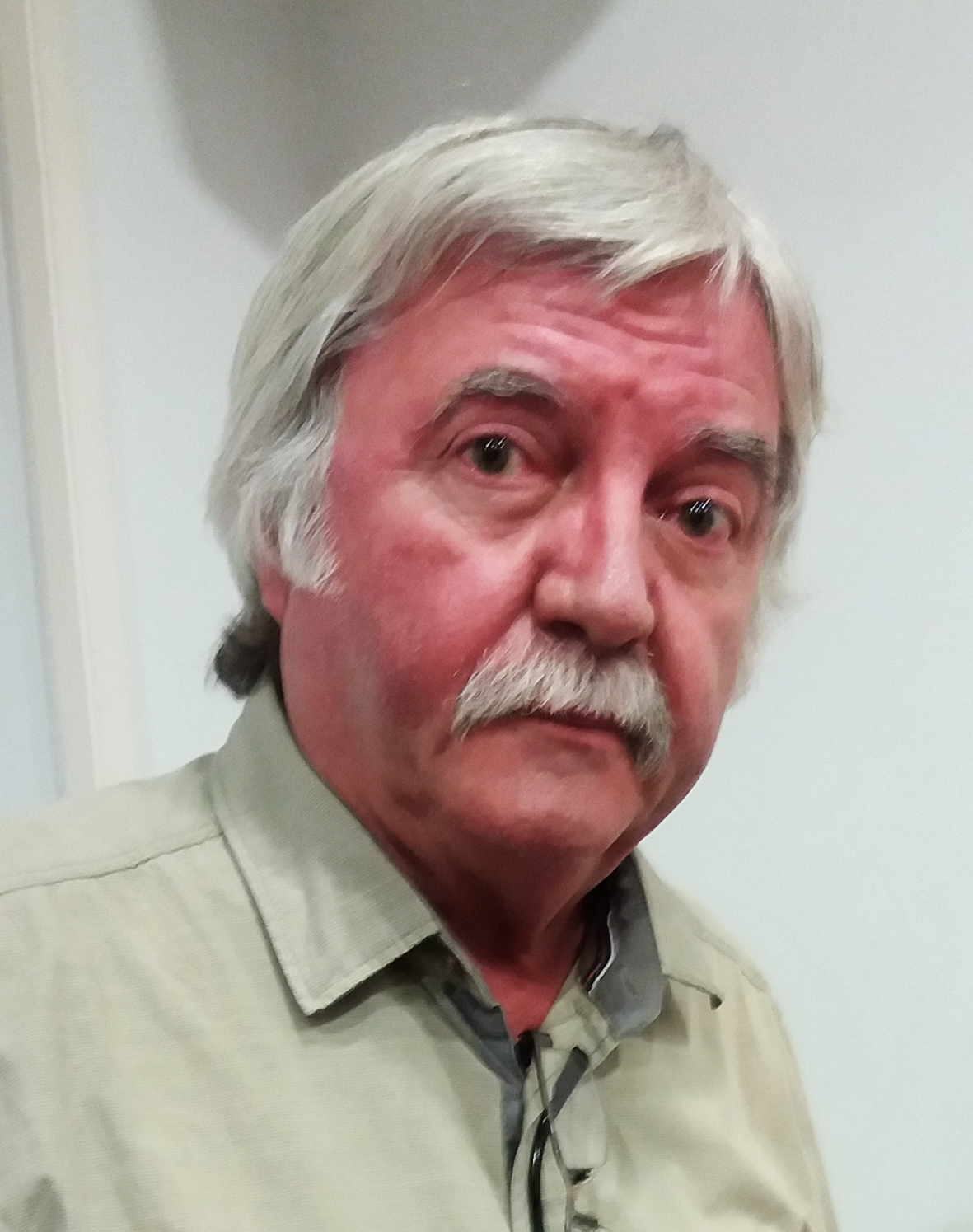

Joe M Das
Editorial Board Member
Department of Neurosurgery, College of Medical Sciences Teaching Hospital, Bharatpur, Chitwan, Nepal,94470 92342
Interests: Vascular Neurosurgery, Skull Base Neurosurgery, Neuro Oncology
Interests: Vascular Neurosurgery, Skull Base Neurosurgery, Neuro Oncology
Alexander E Berezin
Editorial Board Member
Department of Medicine Zaporozhye State Medical University, Ukraine, Europe,+3806061006;
Interests: Coronary artery disease, heart failure, atherosclerosis, hypertension, prognosis, biological markers, genetic markers, cardiovascular prevention
Interests: Coronary artery disease, heart failure, atherosclerosis, hypertension, prognosis, biological markers, genetic markers, cardiovascular prevention
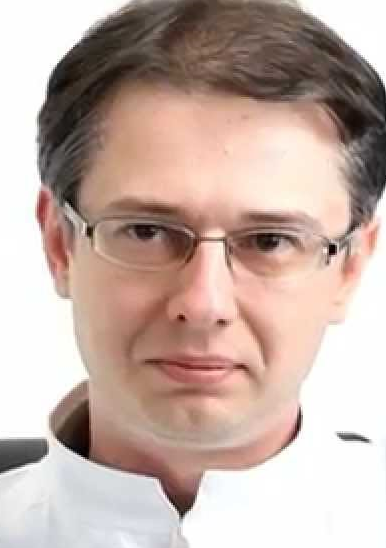
Octavian Vasiliu
Editorial Board Member
Department of Psychiatry, “Dr. Carol Davila” Central Military Emergency University Hospital, Bucharest, Romania.,0040723725815
Interests: Cognitive-Behavioral Therapy, Neuropsychopharmacology, Bipolar Disorders, Depression
Interests: Cognitive-Behavioral Therapy, Neuropsychopharmacology, Bipolar Disorders, Depression

Alessandra Pereira
Editorial Board Member
Department of Pediatrics, Pediatric Unit, School of Medicine, Pontifícia Universidade Católica do Rio Grande do Sul (PUCRS), Avenida Ipiranga, Brazil,,
Interests: Autism spectrum disorders, Epilepsy, Pediatric neurology, Sleep disorders, Neurobiology, Neuroinflammation, Child Neurodevelopment
Interests: Autism spectrum disorders, Epilepsy, Pediatric neurology, Sleep disorders, Neurobiology, Neuroinflammation, Child Neurodevelopment
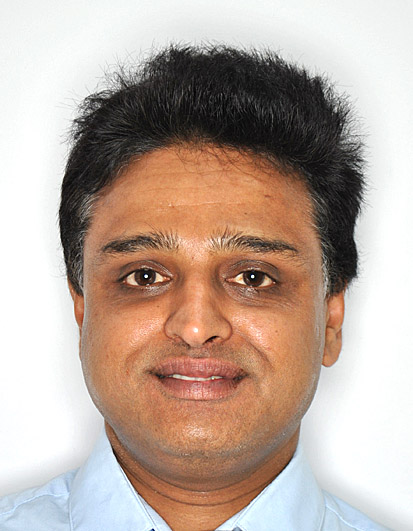
Prasanna K. Venkatesh
Editorial Board Member
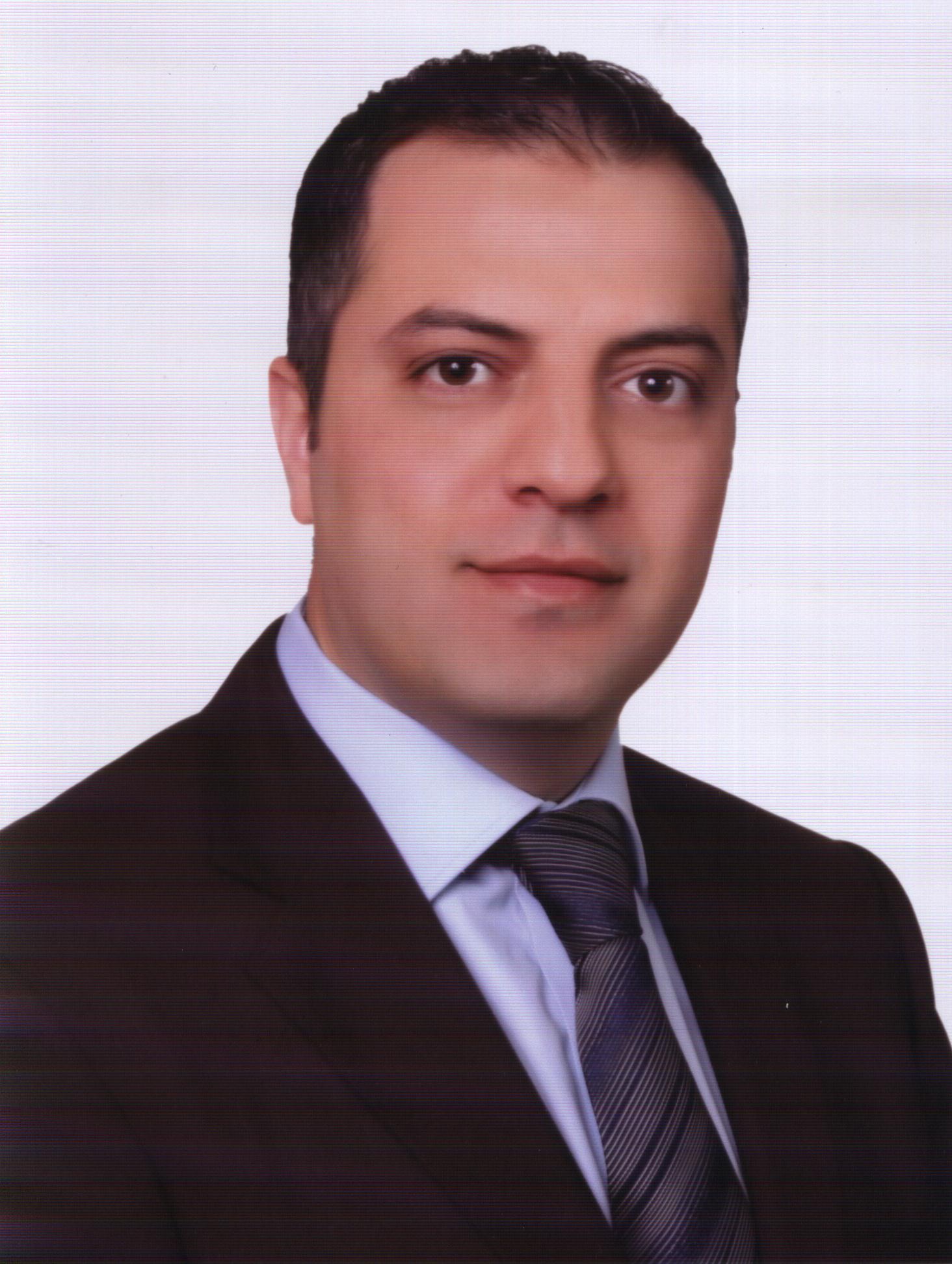
Hassan Izzeddin Sarsak
Editorial Board Member
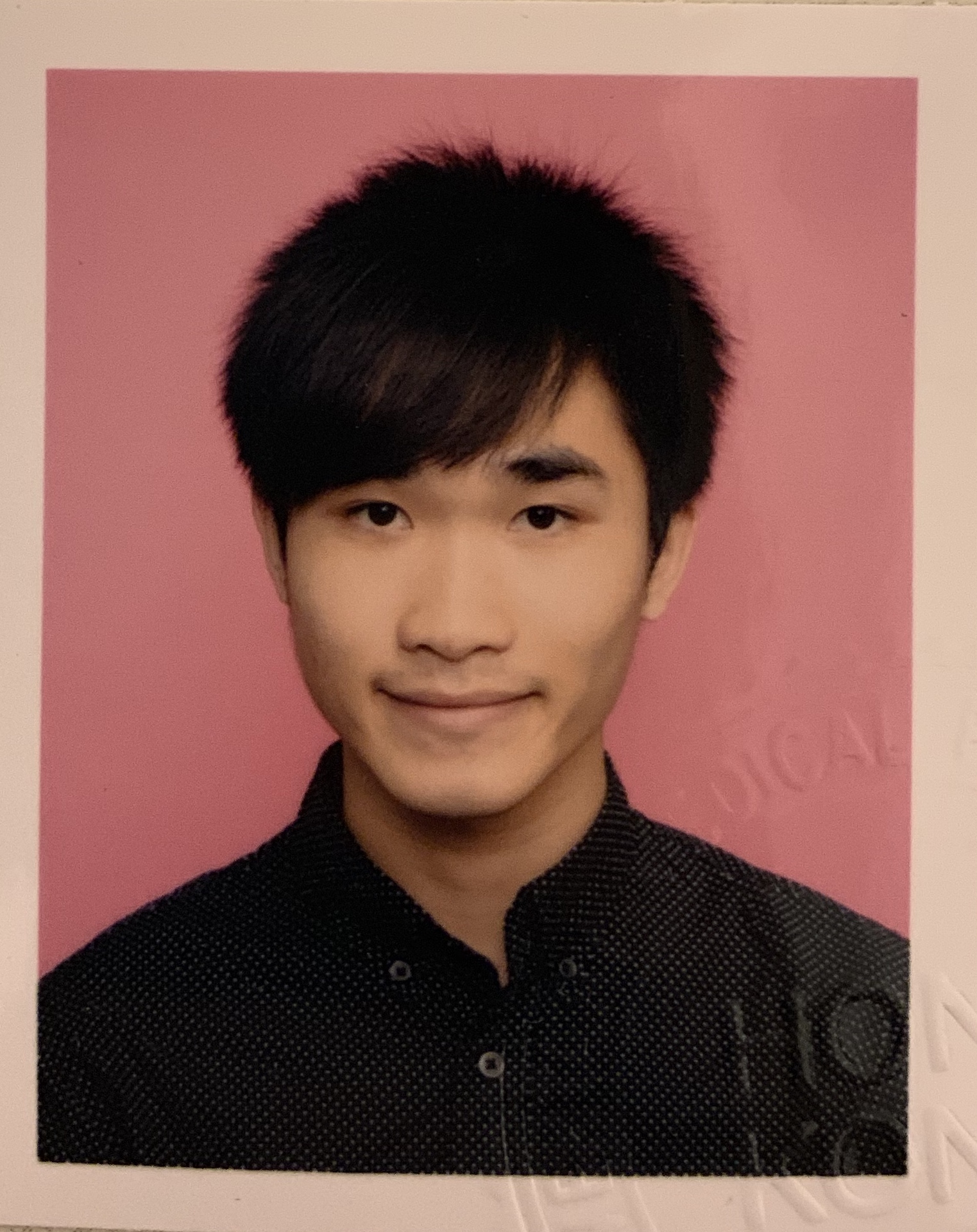
Ivo Yuen
Editorial Board Member
Ching Chung Care and Attention Home for the Aged, Ching Chung Taoist Association of Hong Kong Limited, Yuen Long, Hong Kong,
Interests: Physical Non Aggressive Behaviors, Physical Aggressive Behaviors, Geriatric Care, Behavioral Health
Interests: Physical Non Aggressive Behaviors, Physical Aggressive Behaviors, Geriatric Care, Behavioral Health

Chen Makranz
Editorial Board Member
Departments of Oncology and Neurology, Hadassah-Hebrew University Medical Center, Jerusalem, Israel.,053-4277102
Interests: Neuro-Oncology; Neurology; Neurological misdiagnoses; Neurology and neurooncology
Interests: Neuro-Oncology; Neurology; Neurological misdiagnoses; Neurology and neurooncology

Tanawan Riangwiwat
Editorial Board Member
Cardiology Department, Geisinger Medical Center, Danville, PA, United States of America.,00
Interests: Research focuses on cardiology, particularly cardiovascular revascularization and interventional treatments. Work includes management of coronary artery disease and improving outcomes of revascularization procedures.
Interests: Research focuses on cardiology, particularly cardiovascular revascularization and interventional treatments. Work includes management of coronary artery disease and improving outcomes of revascularization procedures.
Sameh Elmorsy Hassan
Editorial Board Member
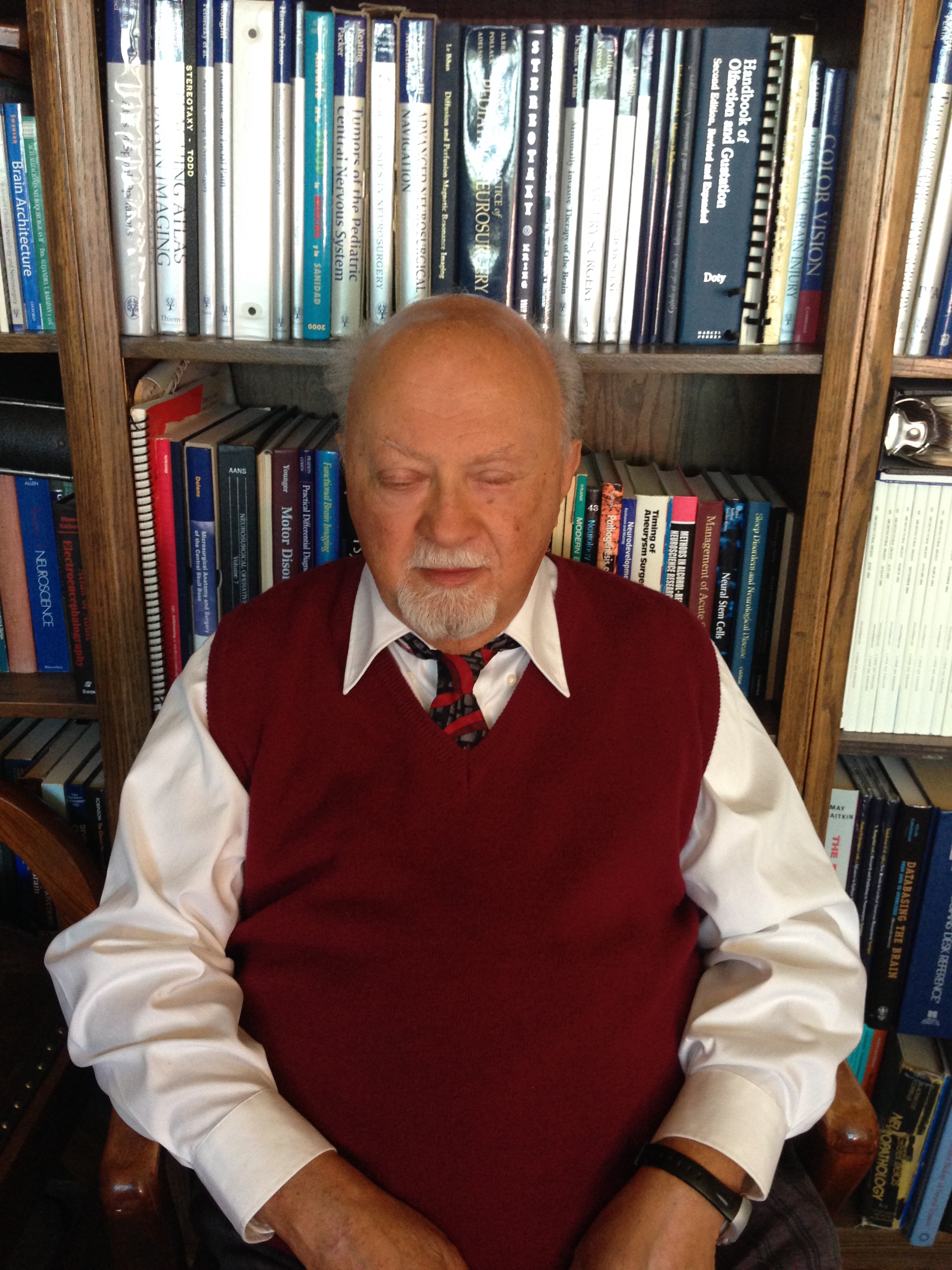
Manuel Dujovny
Editorial Board Member
Colonia San Alejandro, Puebla, Puebla, México.,-
Interests: neurosurgical innovation, developing stereotactic systems, aneurysm clips, and brain oximetry technology. His clinical work centers on hydrocephalus, cerebral ischemia, and the advancement of microsurgical techniques for treating complex neurological disorders.
Interests: neurosurgical innovation, developing stereotactic systems, aneurysm clips, and brain oximetry technology. His clinical work centers on hydrocephalus, cerebral ischemia, and the advancement of microsurgical techniques for treating complex neurological disorders.
Rajib Dutta
Editorial Board Member
Ivet B Koleva
Editorial Board Member
Medical University of Sofia, Bulgaria.,+ 359.888.20 81 61
Interests: As a specialist in PRM, Dr. Ivet KOLEVA is interested in the fields of Physical & Rehabilitation Medicine and of Clinical Rehabilitation (in neurological and neurosurgical patients; in rheumatologic, orthopedic and traumatologic cases; in cardiologic diseases and after cardio-surgical interventions). His research area includes: Orthopedic rehabilitation; Occupational therapy; Pain & Physical Analgesia, Grasp and Gait rehabilitation; Functional evaluation, Medical rehabilitation and Occupational therapy in neurological diseases & neurosurgical conditions; in rheumatological, orthopedical & traumatological conditions, in Cardiology & Cardio-surgery.
Interests: As a specialist in PRM, Dr. Ivet KOLEVA is interested in the fields of Physical & Rehabilitation Medicine and of Clinical Rehabilitation (in neurological and neurosurgical patients; in rheumatologic, orthopedic and traumatologic cases; in cardiologic diseases and after cardio-surgical interventions). His research area includes: Orthopedic rehabilitation; Occupational therapy; Pain & Physical Analgesia, Grasp and Gait rehabilitation; Functional evaluation, Medical rehabilitation and Occupational therapy in neurological diseases & neurosurgical conditions; in rheumatological, orthopedical & traumatological conditions, in Cardiology & Cardio-surgery.
Giancarlo Comi
Editorial Board Member
Department of Neurology, Scientific Institute S, Raffaele, via Olgettina 48, 20132 Milan, Italy,+39.02.2643.2990
Interests: Neurology, Neurophysiology, Neuroepidemiology, Multiple Sclerosis, Neuroimmunology, Clinical Neurology
Interests: Neurology, Neurophysiology, Neuroepidemiology, Multiple Sclerosis, Neuroimmunology, Clinical Neurology
Daniel Gandia
Editorial Board Member
Department of Oncology, School of Medicine, Buenos Aires, Argentina, Ameghino 473, Apt. 5, Buenos Aires, Argentina,(549)-11-64965444
Interests: Clinical Oncology, Cancer Research, Clinical Trials, Translational Oncology, Precision Medicine, Personalized Therapy, Tumor Biology, Cancer Therapeutics, Molecular Oncology, Biomarkers, Mathematical Oncology, Data-Driven Medicine
Interests: Clinical Oncology, Cancer Research, Clinical Trials, Translational Oncology, Precision Medicine, Personalized Therapy, Tumor Biology, Cancer Therapeutics, Molecular Oncology, Biomarkers, Mathematical Oncology, Data-Driven Medicine

Jatin Machhi
Editorial Board Member
Pharmacology & Experimental Neuroscience, University of Nebraska Medical Center, USA,
Interests: Pharmacology, Immunology, Neuroscience, Neurodegenerative Diseases (Alzheimer’s, Parkinson’s), HIV Pathogenesis, Antiretroviral Drug Distribution, T Cell Immune Therapies, CRISPR-Cas9 Mouse Models of Alzheimer’s Disease.
Interests: Pharmacology, Immunology, Neuroscience, Neurodegenerative Diseases (Alzheimer’s, Parkinson’s), HIV Pathogenesis, Antiretroviral Drug Distribution, T Cell Immune Therapies, CRISPR-Cas9 Mouse Models of Alzheimer’s Disease.
Dimitrios Kanakis
Editorial Board Member
Head of Pathology, University of Nicosia Medical School, Cyprus,+35799761756
Interests: Neuro-Oncology, Neurodegenerative Diseases, Demyelinating & Neurodevelopmental Disorders, Traumatic CNS/PNS Conditions, Psychiatric Disorders, General Pathology.
Interests: Neuro-Oncology, Neurodegenerative Diseases, Demyelinating & Neurodevelopmental Disorders, Traumatic CNS/PNS Conditions, Psychiatric Disorders, General Pathology.
Giuseppe Scalabrino
Editorial Board Member
Department of General Pathology, University of Milan, Italy,
Interests: Cobalamin (Vitamin B12) neurotrophism, Central Nervous System, Cytokines, Growth Factors, Normal Prion, Myelin.
Interests: Cobalamin (Vitamin B12) neurotrophism, Central Nervous System, Cytokines, Growth Factors, Normal Prion, Myelin.
Brenda Bertado Cortes
Editorial Board Member
Department of Neurology, Hospital de Especialidades, Centro Médico Nacional "Siglo XXI", IMSS / National Autonomous University of Mexico (UNAM), Mexico City, Mexico.,,
Interests: Multiple Sclerosis, Demyelinating Diseases, Neuroimmunology, Clinical Neurology, Patient-Centered Therapeutics
Interests: Multiple Sclerosis, Demyelinating Diseases, Neuroimmunology, Clinical Neurology, Patient-Centered Therapeutics

Isha S Akulwar
Editorial Board Member
Neurosciences Physiotherapy K. J. Somaiya College of Physiotherapy, Mumbai India,91-8169596206
Interests: Neurorehabilitation, Advanced technology for Physiotherapy evaluation and management, Balance training and postural control, Pediatric reflexes, Medical education technology, Research and biostatistics, etc.
Interests: Neurorehabilitation, Advanced technology for Physiotherapy evaluation and management, Balance training and postural control, Pediatric reflexes, Medical education technology, Research and biostatistics, etc.
Sherifa Ahmad Hamed
Editorial Board Member
Department of Neurology and Psychiatry, Assiut University Hospital, Assiut, Egypt.,+2 088 2371820
Interests: Neurological Complications, Genomics, Genetic Diseases, Epilepsy, Erectile Dysfunction, Depression, Anxiety, COPD
Interests: Neurological Complications, Genomics, Genetic Diseases, Epilepsy, Erectile Dysfunction, Depression, Anxiety, COPD
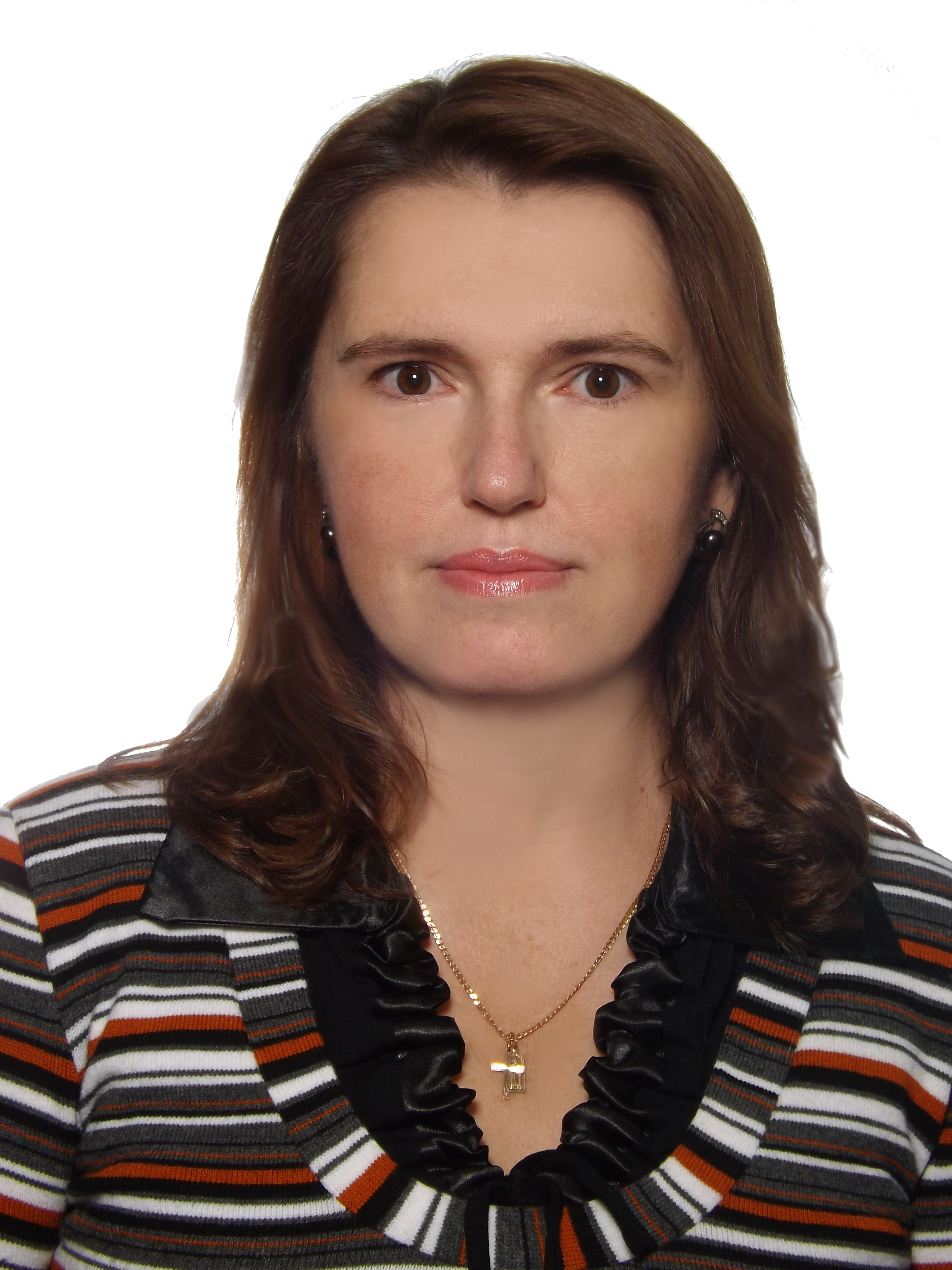
Nataliia Melnyk
Editorial Board Member
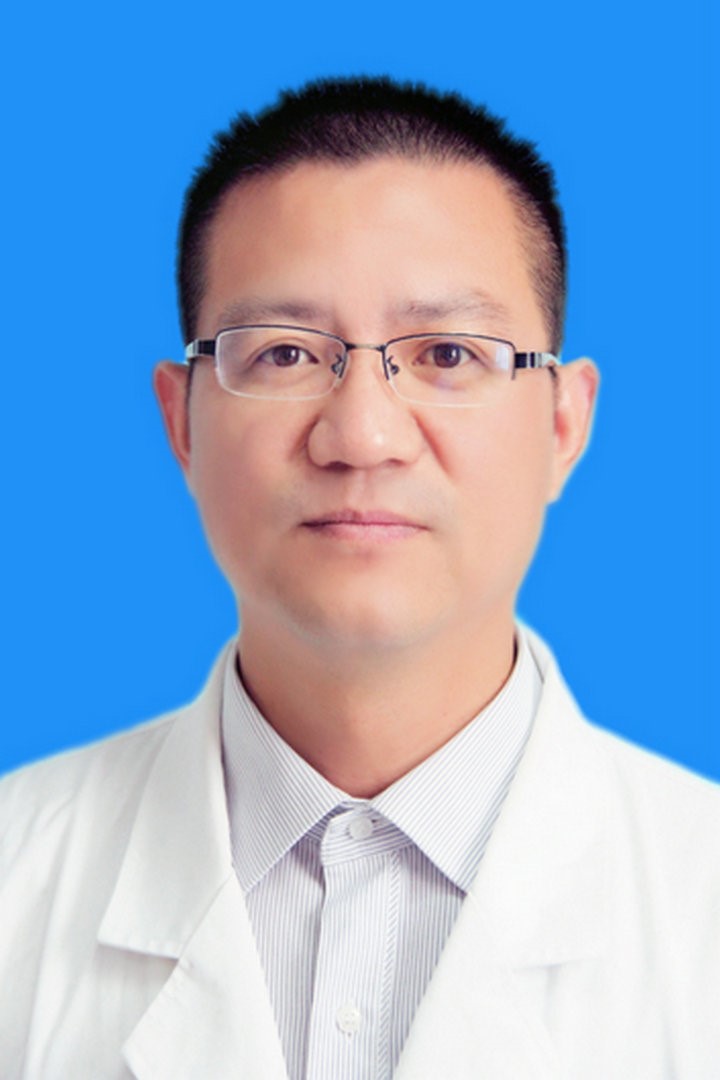
Zhibo Gao
Editorial Board Member
Department of Neurosurgery, Fuyang People's Hospital, Fuyang Clinical College of Anhui Medical University, Fuyang, Anhui 236006, China,00
Interests: Neurosurgery, Clinical Neurosurgery, Surgical Techniques, Neurosurgical Innovations
Interests: Neurosurgery, Clinical Neurosurgery, Surgical Techniques, Neurosurgical Innovations
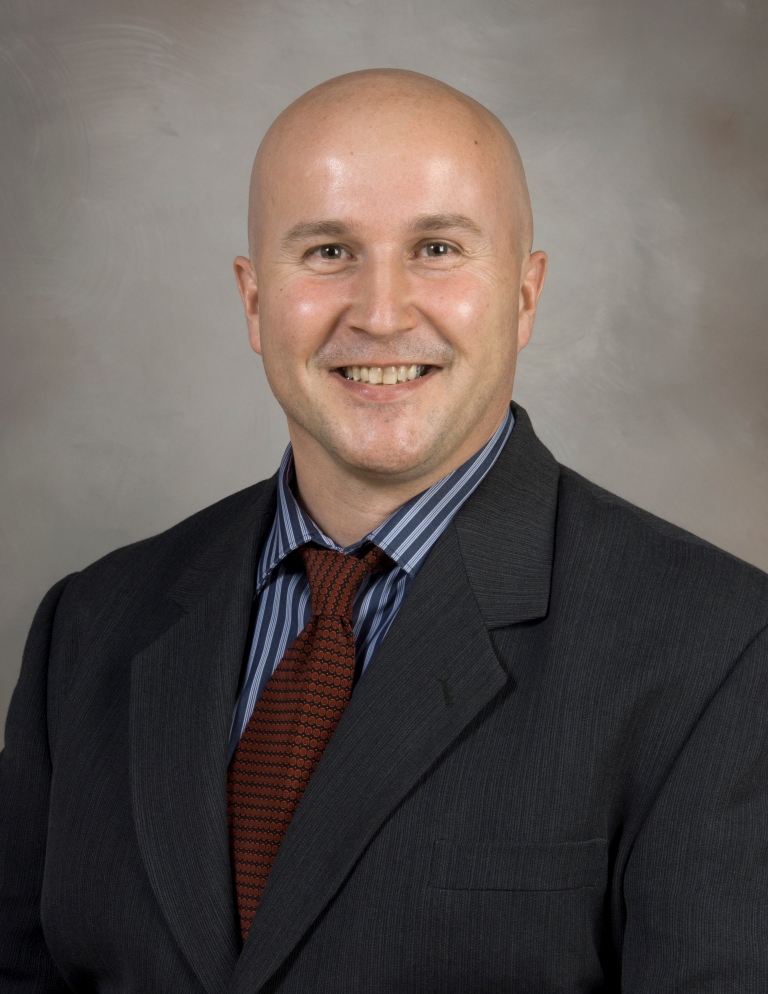
Christophe Ribelayga
Editorial Board Member
Neuroscience, University Louis Pasteur, France,713-500-5673
Interests: Retinal adaptation to varying light conditions, circadian clocks, photoreceptor interactions, neuronal mechanisms, visual perception, and signal processing in retinal circuits.
Interests: Retinal adaptation to varying light conditions, circadian clocks, photoreceptor interactions, neuronal mechanisms, visual perception, and signal processing in retinal circuits.
Number Place